
CAYRA KNOWLEDGE / HIV+ PATIENT GUIDES
Periodontal Surgery and Gum Grafting in Turkey for HIV+ Individuals
Periodontal surgery for HIV patients in Turkey may be considered when active gum disease is controlled and the periodontal and medical assessment supports healing. Successful care begins with diagnosis, hygiene and maintenance—not with grafting an inflamed site for cosmetic reasons.
PRIVATE, CASE-BY-CASE REVIEW
HIV status alone does not answer whether a procedure is appropriate. The treating specialist reviews the procedure, current health, HIV control, medicines and recovery plan together.
Updated 20 August 2026 · Evidence-led patient information · Individual eligibility requires specialist review
QUICK ANSWER
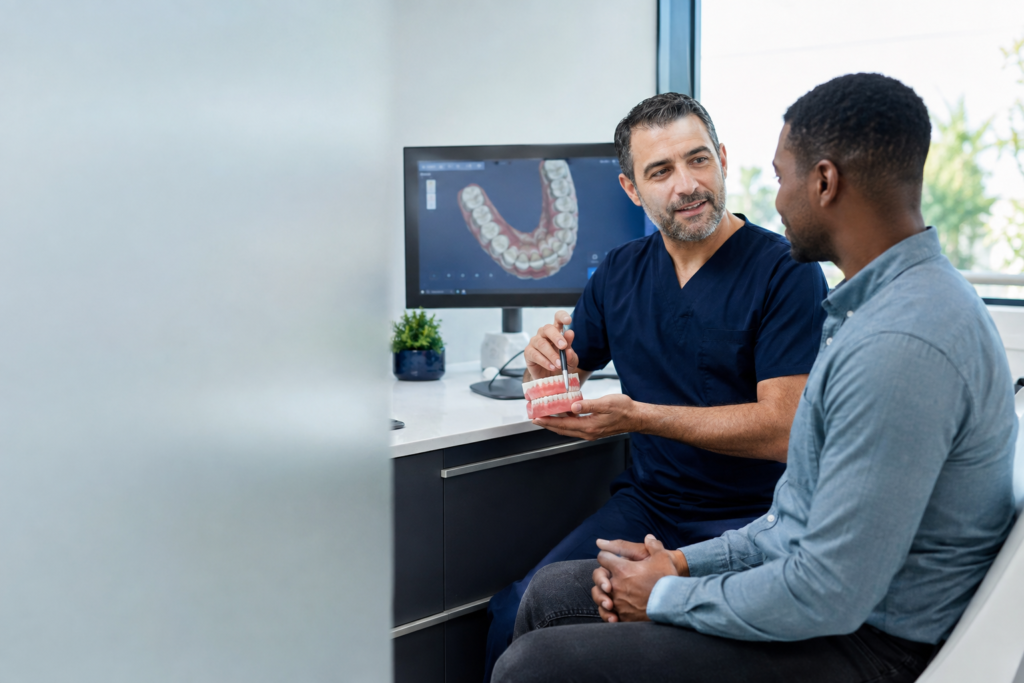
HIV status alone does not decide whether gum grafting or periodontal surgery is appropriate. Current HIV periodontal guidance emphasizes routine dental care, control of plaque and inflammation and individualized recall. Surgery may help selected recession, tissue deficiency or periodontal defects, but it should follow treatment of active infection and review of HIV control, smoking, diabetes, medicines, oral lesions and the patient’s ability to maintain the result.
What the medical team needs to review
| Review area | Why it matters | What may be requested |
|---|---|---|
| Periodontal diagnosis | Treatment differs for gingivitis, periodontitis, recession, peri-implant disease and non-healing lesions. | Probing chart, bleeding, recession, mobility, plaque, furcations and suitable radiographs. |
| Disease control | Grafting an infected or poorly maintained site has a weak foundation. | Hygiene response, scaling/root-surface treatment, smoking status and maintenance history. |
| HIV and medical status | Systemic stability and medicine safety inform elective surgery. | Recent viral load/CD4 information when requested, ART and other medicines, allergies, diabetes and healing history. |
| Anatomy and restorative plan | Graft choice depends on tissue, tooth position, bone and future crowns/implants. | Clinical photos, radiographs, bite and restorative/orthodontic plan; donor-site assessment. |
HIV, gum disease and modern periodontal care
People living with HIV can develop the same common plaque-related gingivitis and periodontitis as anyone else. HIV can also be associated with particular oral conditions, especially when immune control is poor. Effective ART has changed the pattern of many manifestations, but persistent ulcers, necrotic areas, unusual red or white lesions and non-healing tissue deserve diagnosis rather than being labelled “just gum disease.”
The NYSDOH AIDS Institute periodontal guideline, updated in 2026, stresses routine dental care, oral hygiene and appropriate recall for adults with HIV. Standard periodontal assessment includes probing depths, attachment, bleeding, recession, mobility, plaque and radiographic bone levels. The patient’s symptoms and risk factors—smoking, diabetes, dry mouth and previous periodontal history—matter alongside viral and immune information.
HIV status should be disclosed confidentially to the clinical team. This supports medicine-interaction checks and appropriate medical coordination. It should never be used to justify stigma, unnecessary segregation or a guaranteed “special protocol.” Standard infection-control precautions apply to every patient.
Why active periodontal disease is stabilized first
Initial therapy often includes individualized oral-hygiene instruction, professional debridement or scaling and root-surface instrumentation, control of plaque-retentive factors and modification of smoking or diabetes risk. The periodontist then reassesses inflammation and residual pockets. Surgery is considered when it offers a clear additional benefit after this foundation.
Cayra’s live gum-disease treatment page describes non-surgical approaches available within its dental service line. For comprehensive planning, see dental treatments in Turkey. These pages do not replace periodontal charting or prove that grafting is indicated.
Reasons surgery may be discussed
- Persistent deep periodontal defects after initial treatment.
- Selected bony defects that may be suitable for regenerative therapy.
- Gum recession with sensitivity, tissue vulnerability or restorative concerns.
- Need to increase keratinized or soft-tissue volume around selected teeth or implants.
- Crown-lengthening or access requirements within a coordinated restorative plan.
Gum-graft and periodontal-surgery options
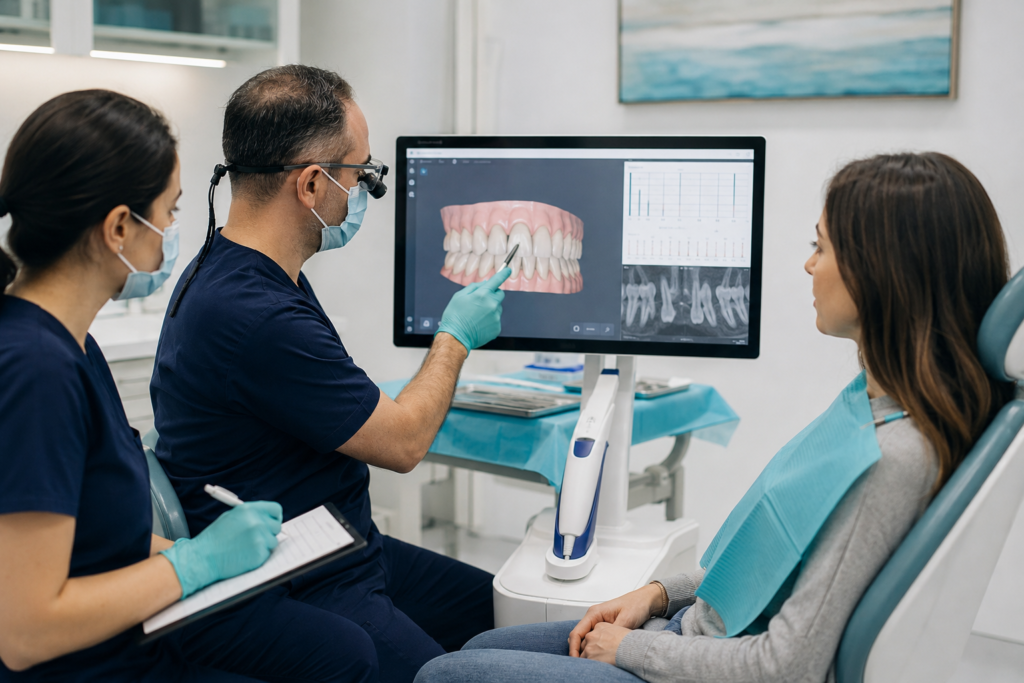
A connective-tissue graft commonly uses tissue from the palate to thicken tissue and cover selected recession. A free gingival graft can increase the band of keratinized tissue. Pedicle techniques use adjacent gum in suitable anatomy. Donor substitutes may be considered in some cases, with trade-offs in indication, evidence, cost and result. The periodontist should explain why a chosen material fits the defect.
Periodontal flap surgery can improve access for root debridement and defect management. Regenerative procedures may use membranes, bone-substitute materials or biologic agents for suitable defects. These techniques do not “regrow all lost bone” in every case. Tooth position, defect anatomy, smoking, inflammation and maintenance influence the result.
Cosmetic expectations require care. Root coverage may be partial, and the final gum margin can change during healing. If crowns, veneers, implants or orthodontics are planned, the specialists should agree on sequence. A rapid smile makeover completed before periodontal stability can create avoidable biological and aesthetic problems.
ART, antibiotics, pain control and healing
Continue ART unless the HIV prescriber and dental team specifically plan otherwise. Provide exact generic names because some ART can interact with sedatives, analgesics or corticosteroids. Kidney and liver disease, anticoagulants and allergies also affect medication choices. Do not self-start antibiotics or use leftover steroid mouthwash on an undiagnosed lesion.
HIV does not automatically require antibiotic prophylaxis for periodontal surgery. The decision depends on the procedure, active infection, medical assessment, immune and blood-count information where relevant, allergies and clinical guidance. Surgical technique, plaque control, smoking avoidance and adherence to local wound instructions remain central.
Follow restrictions on brushing the graft site, mouthrinse, food texture, physical activity and wearing removable prostheses. Contact the team for persistent bleeding, worsening swelling, fever, pus, severe pain, tissue breakdown, an allergic reaction or difficulty swallowing/breathing. Do not pull the lip repeatedly to inspect a graft; tension can disturb healing.
Maintenance and travel planning after periodontal surgery
Periodontal disease is managed over time. Surgery cannot compensate for missed maintenance, persistent smoking or uncontrolled plaque. Before travel, identify a dentist or periodontist at home for professional cleaning, periodontal measurements and urgent assessment. Agree which visits must occur in Turkey and which can occur locally.
Send a recent panoramic X-ray if available, close intraoral photos, periodontal charts, previous treatment records, symptoms, smoking status, medical history, ART and medicines, allergies and recent HIV information requested by the team. On-site assessment may change the plan.
Ask for a written diagnosis, tooth-by-tooth prognosis, proposed graft or regenerative material, donor site, alternatives, expected number of visits, current inclusions and aftercare schedule. Use the Cayra contact page for a confidential review. Final treatment belongs to the periodontist after examination.

Frequently asked questions
Can an HIV-positive patient have gum-graft surgery?
Potentially, yes. HIV status alone is not an automatic exclusion. The periodontist considers disease control, defect anatomy, viral and medical stability, smoking, diabetes, medicines and maintenance capacity.
Must gum disease be treated before a graft?
Active inflammation and plaque should generally be controlled first. The periodontist reassesses after initial therapy and recommends surgery only when it adds a clear benefit.
Will a gum graft cover every exposed root completely?
No result can be guaranteed. Coverage depends on recession type, bone and papilla support, tooth position, tissue, technique, smoking and healing. Partial coverage may be the realistic goal.
Do people with HIV automatically need antibiotics for periodontal surgery?
No. The clinician decides from the operation, infection, medical and immune assessment, allergies and applicable guidance. Routine unnecessary antibiotics should be avoided.
Should ART stop before gum surgery?
Do not stop ART yourself. Give the dentist the exact regimen so timing and possible interactions with sedation, pain medicines or other drugs can be checked.
How often is maintenance needed after treatment?
Recall is individualized using disease severity, response, plaque, smoking, diabetes and other risks. Agree a written schedule with the periodontist and arrange a provider at home before travel.
Related Cayra treatment guides
Continue your research with these verified live Cayra pages:
Medical sources and further reading
This guide is educational and does not replace advice from your HIV clinician or treating specialist.
Stabilize gum health before designing the smile
Share photographs, X-rays, periodontal records, medicines and requested HIV information. Cayra can coordinate an initial periodontal review and a staged plan based on biological health.
No treatment, price, date or eligibility is confirmed until the appropriate specialist and facility have reviewed the case.
