
Are you wondering when to replace breast implants? This essential guide covers signs that indicate it’s time for an upgrade, ensuring your confidence and health.
Understanding Breast Implants: Types and Lifespan
Breast implants have become a common choice for many seeking to enhance their physical appearance. There are primarily two types of breast implants: saline and silicone. Saline implants are filled with sterile salt water and are known for their uniform shape and firmness. On the other hand, silicone implants are filled with silicone gel, which feels more like natural breast tissue. Each type has its pros and cons, which play a significant role in determining their lifespan and the timing for potential replacement.
The lifespan of breast implants can vary significantly based on several factors, including the type of implant, the patient’s body, and lifestyle choices. On average, breast implants are designed to last between 10 to 20 years. However, this doesn’t mean they will need replacement precisely within this timeframe. Some individuals may experience issues sooner, while others may enjoy their implants for longer periods without any problems. Understanding the types and expected lifespan of your implants is crucial for making informed decisions about their care and replacement.
It’s essential to note that breast implants are not lifetime devices. Regular monitoring and awareness of any changes in your breasts are vital for maintaining their health and appearance. Even if no complications arise, some women opt for replacement due to changes in aesthetic preferences or advancements in implant technology. Being well-informed about the different types of implants and their expected longevity can help you prepare for the possibility of replacement and ensure you maintain the look and feel you desire.
Signs You May Need to Replace Your Breast Implants
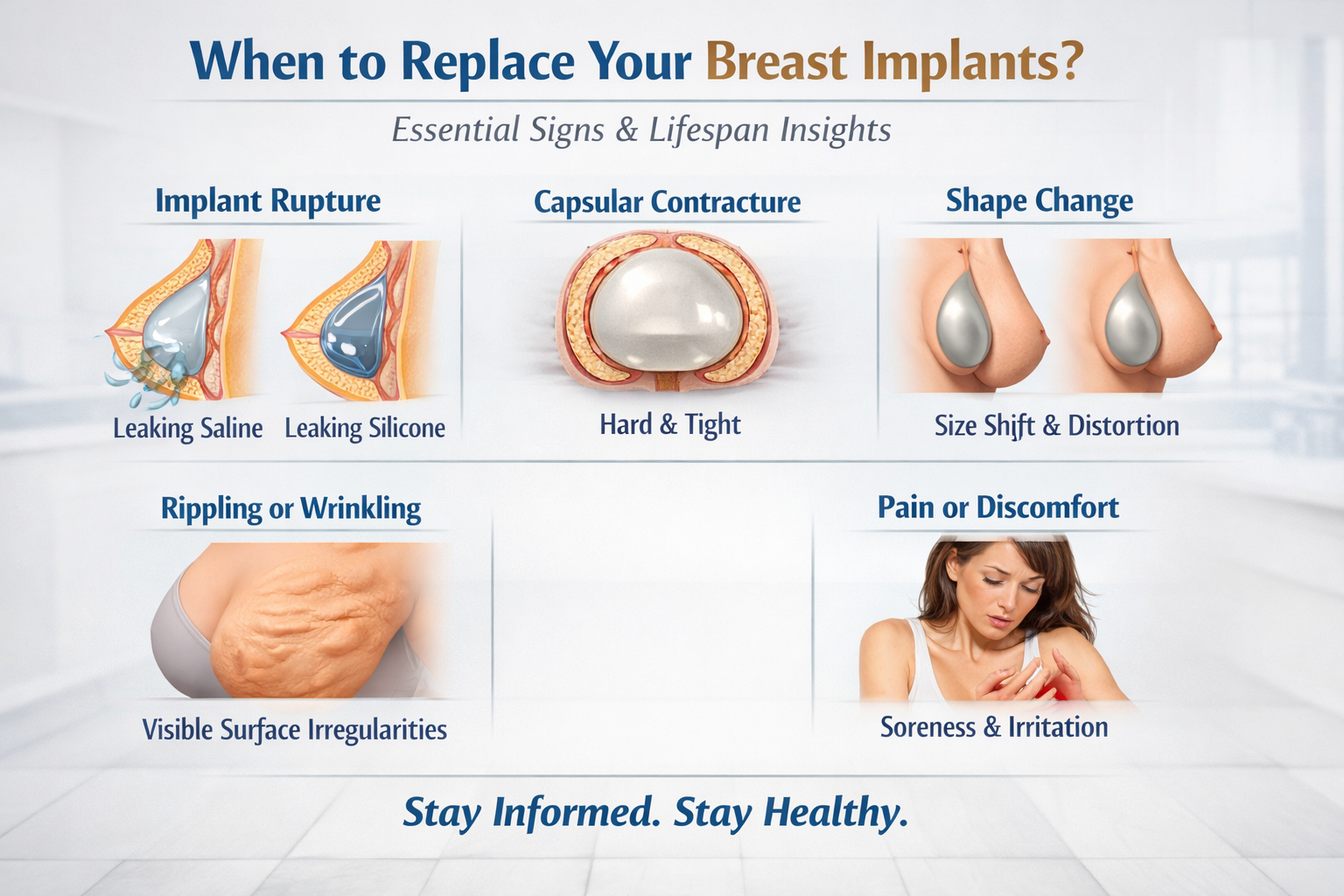
Recognizing the signs that indicate it’s time to replace your breast implants is essential for both your health and confidence. One of the most common signs is a change in the shape or size of your breasts. This could be due to implant rupture, where the saline solution leaks out of the implant, causing a noticeable decrease in breast size. In the case of silicone implants, ruptures can be less obvious as the gel may remain within the implant shell, but any noticeable distortion or asymmetry should be checked by a healthcare professional.
Another significant sign is the development of capsular contracture, a condition where the scar tissue that naturally forms around the implant tightens, causing the breast to feel hard and potentially painful. Capsular contracture can occur at any time after surgery and often necessitates implant replacement. Additionally, women may experience changes in sensation or persistent discomfort in the breast area, which should not be ignored as they could indicate underlying issues with the implants.
Visible changes such as rippling or wrinkling of the implant, particularly noticeable in thinner women with less natural breast tissue, can also signal that it’s time for a replacement. Furthermore, any signs of infection, persistent swelling, redness, or fever warrant immediate medical attention. Staying vigilant for these signs and seeking prompt medical advice can help you address any issues early and maintain your breast health and appearance.
The Importance of Regular Check-Ups for Breast Implants
Regular check-ups are a critical component of maintaining the health and longevity of your breast implants. These appointments allow your surgeon to monitor the condition of your implants and detect any potential complications early. Annual visits are generally recommended, but your surgeon may suggest more frequent check-ups based on individual risk factors and the type of implants you have.
During a check-up, your surgeon will typically perform a physical examination to assess the condition of your implants and the surrounding breast tissue. They may also use imaging techniques such as an MRI or ultrasound to get a clearer view of the implants’ integrity, especially if you have silicone implants. These imaging tests can help detect silent ruptures, which are not always noticeable through physical examination alone.
Regular check-ups provide an opportunity to discuss any concerns or changes you may have noticed in your breasts. Open communication with your surgeon can help address any issues promptly and make informed decisions about the need for replacement. Maintaining a schedule of regular check-ups is a proactive approach to ensuring the longevity and health of your breast implants.
Common Complications Associated with Breast Implants
While breast implants are generally safe, they are not without potential complications. One of the most common issues is capsular contracture, where the scar tissue around the implant tightens, leading to pain and changes in the breast’s appearance. This condition can occur at any time but is more likely to develop in the first few years after surgery. The severity of capsular contracture can vary, with some cases requiring surgical intervention to replace the implant and remove the scar tissue.
Rupture or leakage is another complication that can affect both saline and silicone implants. In saline implants, a rupture is usually immediately noticeable as the breast deflates. Silicone implant ruptures can be more subtle, often referred to as “silent ruptures,” because the silicone gel tends to remain inside the implant shell. Regular imaging tests are essential for detecting these silent ruptures and preventing any long-term complications.
Infection is a rare but serious complication that can occur after breast implant surgery. Signs of infection include redness, swelling, pain, and fever. If an infection does occur, it may require antibiotics or even removal of the implant to allow the infection to clear. Other potential complications include implant displacement, where the implant moves from its original position, and aesthetic issues such as rippling or asymmetry. Being aware of these risks and maintaining regular follow-ups with your surgeon can help manage and mitigate these complications.
Factors That Influence the Decision to Replace Implants
Several factors can influence the decision to replace breast implants, ranging from medical to personal considerations. One of the primary medical reasons for replacement is the presence of complications such as rupture, capsular contracture, or infection. These issues can significantly impact your health and quality of life, making replacement a necessary step.
Aesthetic preferences also play a significant role in the decision to replace implants. Over time, changes in your body, such as weight fluctuations, pregnancy, and aging, can affect the appearance of your implants. Some women choose to replace their implants to achieve a different size, shape, or type that better aligns with their current aesthetic goals. Advances in implant technology also offer new options that may provide a more natural look and feel, prompting some women to opt for an upgrade.
Personal lifestyle and long-term goals are other important factors to consider. For instance, athletes or active individuals may prefer implants that are more compatible with their lifestyle. Additionally, as you age, your priorities and preferences may change, influencing your decision to replace your implants. Consulting with your surgeon to discuss your goals and any concerns can help you make a well-informed decision that best suits your needs.
The Replacement Procedure: What to Expect
If you’ve decided to replace your breast implants, understanding the replacement procedure can help you prepare and set realistic expectations. The process typically begins with a consultation with your surgeon, where you’ll discuss your reasons for replacement, desired outcomes, and the type of implants you prefer. Your surgeon will also review your medical history and perform a physical examination to ensure you’re a suitable candidate for the procedure.
The replacement surgery itself is similar to the initial implantation procedure. It is usually performed under general anesthesia, and the surgeon will make an incision to remove the old implants. The incision location may vary depending on your previous surgery and your surgeon’s approach. Once the old implants are removed, the surgeon will assess the condition of the implant pocket and surrounding tissue before placing the new implants. In some cases, additional procedures such as a breast lift may be performed to achieve the desired outcome.
Recovery from implant replacement surgery can vary, but most patients can expect a similar recovery timeline to their initial surgery. You’ll likely experience some swelling, bruising, and discomfort in the first few days, which can be managed with pain medication and proper post-operative care. Your surgeon will provide detailed instructions on how to care for your incisions, manage pain, and gradually resume normal activities. Follow-up appointments are crucial to monitor your healing progress and ensure the new implants are settling correctly.
Recovery After Breast Implant Replacement
Recovery after breast implant replacement surgery is a critical phase that requires careful attention and adherence to your surgeon’s instructions. The initial recovery period typically lasts about one to two weeks, during which you may experience swelling, bruising, and discomfort in the breast area. Pain management is essential during this time, and your surgeon will likely prescribe medications to help alleviate any discomfort.
It’s important to follow all post-operative care instructions provided by your surgeon to ensure a smooth recovery. This may include wearing a supportive surgical bra, avoiding strenuous activities, and keeping the incision sites clean and dry. Sleeping on your back with your upper body elevated can also help reduce swelling and promote healing. Most patients can gradually resume light activities after the first week, but it’s crucial to avoid heavy lifting and vigorous exercise for at least four to six weeks.
Regular follow-up appointments with your surgeon are essential during the recovery period. These visits allow your surgeon to monitor your healing progress, check for any signs of complications, and ensure the new implants are settling properly. It’s important to communicate any concerns or unusual symptoms to your surgeon promptly. With proper care and attention, most patients can expect a successful recovery and enjoy the results of their implant replacement surgery.
Emotional Considerations: Preparing for Implant Replacement
Preparing for breast implant replacement surgery involves not only physical readiness but also emotional preparation. The decision to undergo replacement surgery can evoke a range of emotions, from excitement about achieving your desired outcome to anxiety about the procedure and recovery. It’s important to acknowledge and address these feelings to ensure a positive experience.
One of the best ways to manage emotional stress is to educate yourself about the procedure and what to expect. Understanding the steps involved in the surgery, the recovery process, and the potential risks can help alleviate anxiety and build confidence in your decision. Additionally, seeking support from friends, family, or a support group can provide valuable emotional encouragement and reassurance.
It’s also beneficial to discuss your feelings and concerns with your surgeon. A compassionate and experienced surgeon can offer guidance, answer your questions, and help set realistic expectations. Preparing emotionally for implant replacement surgery involves recognizing your feelings, seeking support, and maintaining open communication with your healthcare team. This holistic approach can help you navigate the process with confidence and peace of mind.
Choosing the Right Surgeon for Implant Replacement
Selecting the right surgeon for your breast implant replacement is a crucial decision that can significantly impact the outcome of your procedure. It’s important to choose a surgeon with extensive experience and expertise in breast implant surgery. Start by researching board-certified plastic surgeons who specialize in breast procedures and have a proven track record of successful implant replacements.
During your consultation, ask about the surgeon’s experience with implant replacement surgeries, including the number of procedures they’ve performed and their success rates. Reviewing before-and-after photos of previous patients can also provide insight into the surgeon’s skill and the results you can expect. It’s important to feel comfortable and confident in your surgeon’s abilities and approach.
Effective communication is key when choosing a surgeon. Your surgeon should take the time to listen to your goals, answer your questions, and explain the details of the procedure, including potential risks and recovery expectations. A good surgeon will prioritize your safety and satisfaction, providing personalized care and support throughout the process. Taking the time to choose the right surgeon can help ensure a positive experience and achieve the desired outcome for your implant replacement.
Conclusion: Making Informed Decisions About Breast Implant Replacement
Making informed decisions about breast implant replacement is essential for maintaining your health, confidence, and satisfaction with your appearance. Understanding the types and lifespan of breast implants, recognizing the signs that indicate replacement is needed, and the importance of regular check-ups are all key components of this process. Being aware of common complications and the factors influencing the decision to replace implants can help you make proactive choices.
The replacement procedure, recovery, and emotional considerations are important aspects to prepare for when planning your implant replacement. Choosing an experienced and compassionate surgeon is crucial for achieving the best possible outcome and ensuring your safety and satisfaction. By taking a comprehensive and informed approach, you can navigate the journey of breast implant replacement with confidence and achieve the results you desire.
In conclusion, breast implant replacement is a significant decision that requires careful consideration and planning. By staying informed, working with a qualified surgeon, and prioritizing your health and well-being, you can make empowered choices that enhance your confidence and quality of life. Whether you’re addressing a medical need or pursuing a new aesthetic goal, being proactive and informed can help you achieve long-lasting and satisfying results.
Choosing when to replace breast implants is a decision that should always align with professional clinical evaluations and long-term aesthetic goals. Clinical safety parameters managed by international health institutions highlight that modern devices require precise surgical management during updates. According to comprehensive cosmetic device tracking data available in the official National Center for Biotechnology Information (NCBI) database, maintaining a structured routine for implant surveillance significantly lowers the risk of late-stage complications like silent ruptures. For international patients looking to combine their breast revision with broader body contouring, pairing the procedure with a specialized tummy tuck in Turkey offers a comprehensive approach to structural rejuvenation. Furthermore, women seeking a total post-pregnancy transformation can explore our customized mommy makeover packages, which seamlessly integrate breast and abdominal restorations into a single, high-efficiency surgical journey.
