
Pregnancy and childbirth are transformative experiences, but vaginal delivery—especially when involving prolonged labor, large birth weight, or episiotomies—exerts intense mechanical stress on the pelvic floor. Over time, many women notice changes in intimate wellness, including vaginal laxity (a feeling of looseness), decreased sensation during intimacy, mild stress urinary incontinence (leaking urine when coughing, laughing, or exercising), and changes in the appearance of the labia.
These physical changes are entirely natural, yet they can significantly impact a woman’s body confidence, intimate comfort, and overall quality of life. Modern cosmetic gynecology offers effective solutions tailored to your anatomical needs and lifestyle preferences. When international patients seek world-class female surgeons, discreet accredited facilities, and exceptional value, Turkey—and Istanbul in particular—stands out as the leading global destination for post-childbirth intimate restoration. Let’s analyze the difference between surgical and non-surgical rejuvenation options, candidacy criteria, recovery timelines, and cost advantages.
Post-Childbirth Anatomical Changes: Understanding Vaginal Laxity
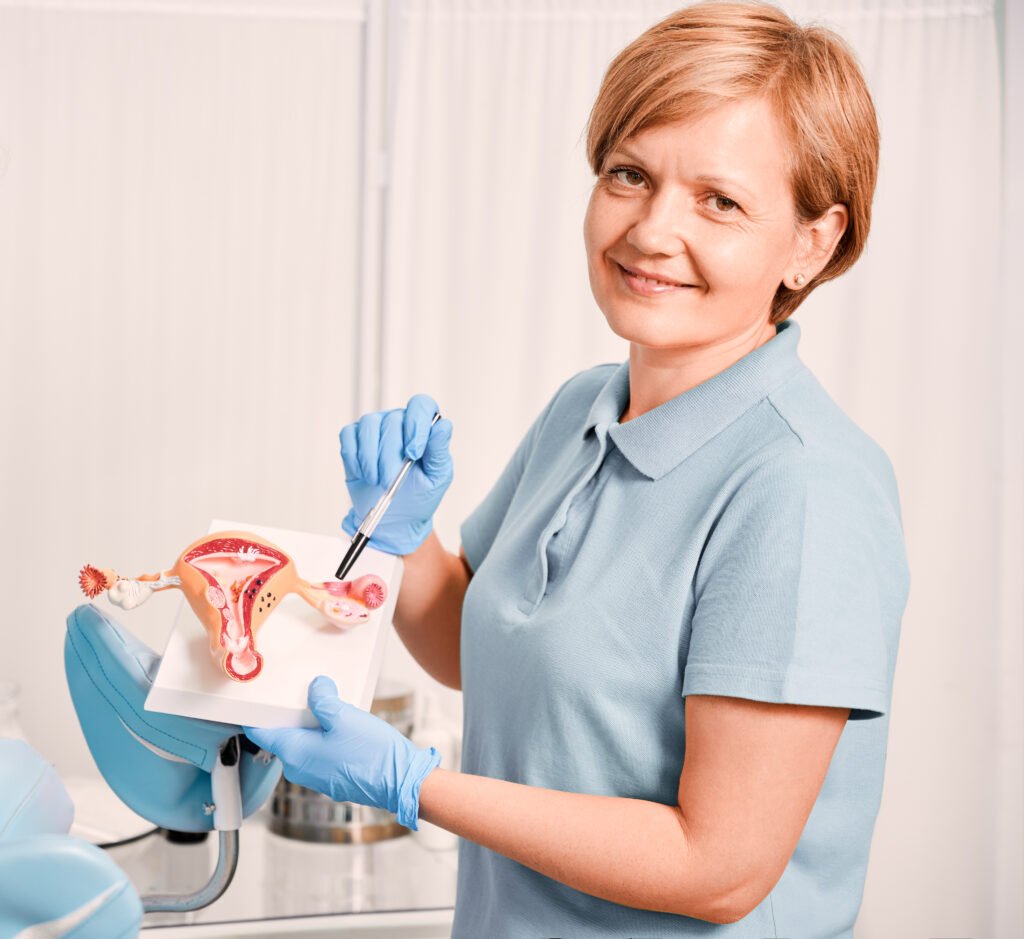
To choose the right treatment, it helps to understand what happens to pelvic anatomy during vaginal birth:
Muscle and Fascial Stretching: During delivery, the levator ani muscles and connective fascia of the vaginal canal stretch significantly to allow passage of the baby. While tissues naturally contract post-partum, severe stretching or tearing can leave the vaginal canal permanently widened.
Collagen and Estrogen Depletion: Pregnancy hormonal shifts and breastfeeding lower estrogen levels, leading to thinner mucosal lining, reduced natural lubrication, and decreased tissue elasticity.
External Aesthetic Changes: Overstretching can also affect the labia minora and majora, leading to asymmetry, elongation, or a loss of volume that causes discomfort when wearing fitted clothing or exercising.
Surgical Options: Vaginoplasty and Perineoplasty for Structural Repair
Surgical vaginal rejuvenation delivers dramatic, long-lasting structural restoration by repairing underlying muscle and removing excess tissue:
Vaginoplasty (Surgical Tightening): Performed under general or twilight anesthesia, vaginoplasty joins stretched, separated pelvic floor muscles together with strong dissolvable sutures and removes excess mucosal lining along the entire length of the vaginal canal. This restores tight muscle tone and friction.
Perineoplasty (Perineal Reconstruction): Often combined with vaginoplasty, perineoplasty repairs damaged, scarred, or widened tissue at the vaginal opening and perineum (the area between the vagina and anus), restoring a tight, symmetrical introitus.
Labiaplasty (Labial Reshaping): Reshapes elongated or asymmetrical labia minora for improved aesthetic balance and relief from physical chafing or irritation.
Tabular Comparison: Surgical Vaginoplasty vs Non-Surgical Laser/RF Tightening
To help you determine which approach aligns with your specific goals, review the comparison below:
Non-Surgical Options: Fractional Laser and Radiofrequency Energy Treatments
For women with mild to moderate tissue laxity, dryness, or minor urinary leaks who prefer to avoid surgery, advanced energy-based devices offer effective non-invasive alternatives:
Fractional CO2 or Erbium Laser Therapy: A specialized probe delivers controlled thermal energy pulses into the vaginal mucosa. This micro-trauma stimulates neocollagenesis (new collagen formation) and vascularization, tightening the mucosal wall and increasing natural moisture.
Radiofrequency (RF) Tightening: Uses radiofrequency energy to gently heat deeper tissue layers, contracting existing collagen fibers and promoting elastin production. RF treatments are painless, causing a warm sensation without peeling or downtime.
Platelet-Rich Plasma (PRP / O-Shot): Injections of your own concentrated blood platelets into intimate tissues stimulate nerve regeneration, enhance blood flow, and boost sensitivity and natural lubrication.
Tabular Comparison: Procedure Costs in Europe/USA vs All-Inclusive Packages in Turkey
International patients enjoy world-class care and significant savings by choosing accredited cosmetic gynecology centers in Turkey:
| Evaluation Feature | Private Clinics in Europe / UK / USA | All-Inclusive Packages in Turkey |
|---|---|---|
| Surgical Vaginoplasty Cost | High ($5,000 – $10,000+); separate facility and anesthesia fees. | Highly competitive ($2,200 – $3,800) all-inclusive package rate. |
| Non-Surgical Laser Package | $1,500 – $3,500 per multi-session treatment series. | $800 – $1,500 for full treatment series using top-tier devices. |
| Surgeon Specialization | Varies; often general gynecologists without aesthetic training. | Board-certified cosmetic gynecologists specializing in intimate surgery. |
| Travel and Discrecy | Patient manages local travel and recovers at home near acquaintances. | Includes 5-star hotel, VIP private transport, discreet recovery, and host. |
Candidacy Evaluation: Choosing the Right Treatment for You
Determining whether surgical or non-surgical rejuvenation is right for your body depends on several key medical factors:
Post-Partum Timing: You should wait at least 6 months after childbirth (and ideally 3 months after stopping breastfeeding) before undergoing intimate rejuvenation. This allows pelvic tissues, hormones, and body weight to stabilize naturally.
Future Pregnancy Plans: If you plan to have more children via vaginal delivery, non-surgical laser treatments or waiting until your family is complete before undergoing surgical vaginoplasty is generally recommended, as subsequent deliveries can re-stretch surgically repaired muscles.
Severity of Symptoms: If you feel a significant gap or lack of support in the underlying muscle wall, non-surgical lasers cannot reattach separated muscles—surgical repair is required. Conversely, if your primary concern is mucosal dryness or light tightness, laser or RF therapy is ideal.
Recovery Timelines and What Results to Expect
Understanding the post-treatment journey ensures smooth healing and optimal satisfaction:
Surgical Vaginoplasty Recovery: Expect mild swelling and discomfort managed with pain medication for the first 3 to 5 days. Most patients return to light desk work after 7 days. Dissolvable stitches disappear naturally within 3 to 4 weeks. Strict pelvic rest—avoiding sexual intercourse, tampons, heavy lifting, and swimming—is required for 6 weeks.
Non-Surgical Recovery: You can resume normal daily activities, work, and exercise immediately after a laser or RF session. Refrain from sexual intercourse and tampon use for 3 to 5 days to allow mucosal healing.
Long-Term Results: Surgical vaginoplasty offers permanent structural restoration. Non-surgical laser treatments provide noticeable improvements in tightness and moisture after 2 to 3 sessions, with single yearly maintenance touch-ups recommended to sustain collagen vitality.
Frequently Asked Questions (FAQ)
1. How long do I need to stay in Turkey for vaginal rejuvenation surgery?
For surgical vaginoplasty or combined labiaplasty, a medical stay of 5 to 7 days in Turkey is recommended. This allows time for pre-operative consultations, the procedure, hospital rest, follow-up examinations, and final medical clearance (Fit to Fly). Non-surgical laser sessions require only a 2 to 3 day trip.
2. Is vaginal rejuvenation surgery painful?
Surgical procedures are performed under general anesthesia or twilight sedation, ensuring zero pain during surgery. Post-operative discomfort feels like deep tightness or soreness, easily managed with prescribed analgesics. Non-surgical laser and RF treatments are virtually painless, producing only a warm sensation.
3. Can I combine vaginoplasty with labiaplasty or Mommy Makeover surgery?
Yes. Combining vaginoplasty with labiaplasty (a “Mummy Makeover” intimate package) or with abdominal/breast procedures is very common in Turkey. Combining procedures optimizes recovery time and overall medical package savings.
4. Will surgical vaginoplasty leave visible scars?
Incision lines for vaginoplasty are located entirely inside the vaginal canal, making surgical scars invisible externally. If a perineoplasty or labiaplasty is performed, external incisions are placed in natural tissue folds and heal into thin, inconspicuous lines.
5. Will insurance cover post-childbirth vaginal rejuvenation in Turkey?
Elective cosmetic gynecology procedures performed abroad are typically not covered by standard insurance policies. However, all-inclusive medical tourism packages in Turkey make top-tier surgical care highly accessible and affordable.
6. How do I start planning my intimate rejuvenation journey in Turkey?
Getting started is discreet and simple. Reach out to an accredited clinic in Turkey to share your medical history and specific post-childbirth concerns. A female cosmetic gynecologist will provide a confidential tele-consultation and recommend a personalized treatment plan.
Vaginal Rejuvenation in Turkey After Childbirth: Find the Right Option for You
Childbirth can bring changes to vaginal comfort, pelvic floor function and intimate wellbeing. Vaginal rejuvenation in Turkey includes different options, from pelvic floor physiotherapy and selected non-surgical treatments to surgical procedures such as vaginoplasty or perineoplasty, depending on individual needs.
Non-surgical approaches may help with certain symptoms, while surgery may be considered when there are specific anatomical changes. Not every treatment is suitable for every woman, and evidence for energy-based vaginal treatments such as lasers varies. A qualified gynaecologist should assess your symptoms, medical history and expectations before recommending an option.
At Cayra Clinic, you can request information about aesthetic treatment options in Turkey. For independent guidance on pelvic floor health after childbirth, visit the NHS.
Take the next step with confidence. Contact Cayra Clinic to learn about available options and arrange a personalised medical assessment.
