
Hernia surgery is a commonly performed procedure that repairs a weakness in the muscle or surrounding tissue that allows an internal organ or tissue to protrude. The most frequent type is an inguinal hernia, which may cause a visible swelling or lump in the groin area or scrotum. This swelling can be uncomfortable or painful, often becoming more noticeable when lifting heavy objects and disappearing when lying down.
If you are experiencing symptoms of a hernia, it is essential to consult an experienced surgeon for proper evaluation and treatment. At Cayra Clinic, our expert surgeons provide comprehensive assessment and personalized care, making our clinic a trusted choice for hernia surgery.

What Causes A Hernia?
This condition typically occurs when fatty tissue or part of the intestine pushes through a weakened area of the abdominal wall, often into the inguinal canal. It is more common in men and is frequently associated with aging, although it can develop at any stage of life.
Over time, the muscles surrounding the abdomen may lose strength. In some cases, the condition may appear suddenly after increased abdominal pressure, such as straining during constipation, lifting or pushing heavy objects, or prolonged physical exertion. Persistent or severe coughing has also been linked to its development.
With appropriate surgical treatment, patients can achieve long-term relief from discomfort and prevent progression.
When Is Surgery Needed?
Surgical repair is recommended when the condition causes pain, persistent symptoms, or leads to complications. The procedure involves returning the protruding tissue to its proper position and reinforcing the weakened area of the abdominal wall.
Possible complications include:
- Obstruction—Where a section of the bowel becomes stuck in the inguinal canal, causing nausea, vomiting, and stomach pain, as well as a painful lump in the groin
- Strangulation—where a section of the bowel becomes trapped, and its blood supply is cut off; this requires emergency surgery within hours to release the trapped tissue and restore its blood supply so it does not die
Early treatment helps prevent serious complications and supports a smoother recovery.
What Methods Are Used For Treatment?
In Turkey there are two main surgical approaches:
- Open surgery – Where a cut is made to allow the surgeon to push the lump back into the abdomen
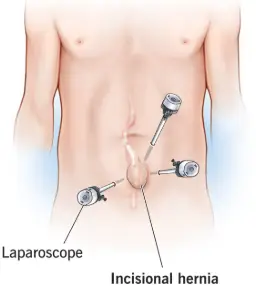
- Laparoscopic (keyhole) surgery – A less invasive but more difficult technique where several more minor cuts are made, allowing the surgeon to use instruments to repair the hernia
There are significant advantages to both methods. The type of surgery you have depends on which method suits you and your surgeon’s experience. You should be able to go home the same day or the day after treatment. It’s essential to follow the instructions you’re given by your surgeon at Cayra about how to look after yourself. This includes eating a good diet to avoid constipation, caring for the wound, and avoiding strenuous activities.
Most people in Turkey fully recover from hernia surgery within six weeks, with many returning to work and doing light activities within two weeks. It would be best to speak to your insurer before driving again after surgery.
Are There Any Risks From the Surgery?
As with any surgical procedure, some risks may exist. These can include temporary pain, swelling, bruising, or mild discomfort during recovery. Serious complications are uncommon when the procedure is performed by experienced surgeons and postoperative instructions are carefully followed.
At Cayra, patient safety is prioritized, and all procedures are carried out according to international medical standards to minimize risks and support a smooth recovery.
How Can I Travel Safely After Surgery?
Before planning travel, it is important to consult your surgeon. Once cleared for travel, general recommendations may include:
Standing, stretching, and walking regularly, especially during longer flights
Wearing compression stockings if advised
Staying well hydrated
These measures help support circulation and overall comfort during travel.
Why Would I Need To Stay In The Hospital A Few Extra Hours Operation?
In some cases, patients may remain under observation for several additional hours to allow anesthesia to fully wear off. This ensures comfort, safety, and stable recovery before discharge.
At Cayra, a tailored anesthesia approach is used to maximize patient comfort both during and after the procedure.
What Is the Recovery Period?
Most patients experience mild pain or fatigue for a few days following surgery. Discomfort generally improves within the first week, although some tightness or pulling sensations may be felt for several weeks during movement. Mild bruising around the treated area is normal.
Many individuals return to light activities and work within one to two weeks, depending on the nature of their job.
How Can You Care for Yourself at Home After Surgery?
- Rest when you feel tired. Getting enough sleep will help you recover.
- Try to walk each day. Start by walking a little more than you did the day before. Bit by bit, increase the amount you walk. Walking boosts blood flow and helps prevent pneumonia and constipation.
- If your surgeon gives you an abdominal binder to wear, use it as directed. This is an elastic bandage that wraps around your belly and upper hips. It helps support your belly muscles.
- Avoid strenuous activities, such as biking, jogging, weight lifting, or aerobic exercise till advised.
- Avoid lifting anything that would make you strain. This may include heavy grocery bags, milk containers, a briefcase or backpack, cat litter or dog food bags, a vacuum cleaner, or a child.
- Resume driving after getting a medical clearance.
- Most people can return to work within 1 to 2 weeks after surgery. But if your job requires heavy lifting or strenuous activity, you may need to take 4 to 6 weeks off.
- If your sugeon approves, you may shower 24 to 48 hours after surgery. Pat the cut (incision) dry. Do not take a bath for the first two weeks or until your doctor tells you it is okay.
What Should You Do Before Hernia Surgery?
Inform your doctor about all medications, supplements, or herbal products
- One week before surgery, stop taking aspirin, ibuprofen (Advil, Motrin), naproxen (Aleve, Naprosyn), clopidogrel (Plavix), warfarin (Coumadin), and other blood thinners.
- Discuss any possible bleeding disorders or other medical conditions that you may have.
- Avoid food and drink after midnight before the procedure.
- You will have blood samples taken in case you need a blood transfusion.
- Refrain from smoking to support faster recovery.
What Should You Do on the Day of Surgery?
- Do not eat or drink before arrival.
Take approved medications with a small sip of water
- Arrive at the hospital at the scheduled time
Learn more about Cayra Clinic’s mission and expertise on our About Us page.
What Happens After Surgery?
- Most patients are discharged within 24 hours.
- Abdominal wall hernia repairs may require up to a two-day hospital stay due to the internal stitches and healing that is required.
- Expect soreness around the surgical site during the first 24 to 48 hours following operation.
- Walking is encouraged based on your energy level.
- This surgery has a quick recovery, with most patients feeling much better within the first few days.
- Hiatal hernia repair patients may eat a modified liquid diet after surgery and will graduate to solid foods over time.
Frequently Asked Questions
Can I fly after hernia surgery in Turkey?
Travel is usually possible once approved by your surgeon, provided recommended precautions are followed.
Can you live with this condition?
In some cases, yes. However, symptoms may worsen over time, and there is always a risk of complications. Medical evaluation is recommended.
How do I know if surgery is right for me?
Surgery is commonly advised if symptoms increase, the bulge enlarges, or daily activities are affected. A surgeon can help you decide based on your condition.
How long can you live with it before treatment is needed?
There is no fixed timeline. Some people remain stable for years, while others require earlier treatment. Regular monitoring is important.
What does the procedure involve?
The procedure typically involves repairing the weakened area of the abdominal wall, often using minimally invasive techniques. The exact approach depends on the individual case.
How many incisions are made?
Most minimally invasive procedures involve three to four small incisions.
How long is the hospital stay?
Many patients return home the same day, while some cases may require a short hospital stay.
How long does recovery take?
Initial recovery is usually quick, with most patients resuming light activities within a week. Your surgeon will advise when heavier activities are safe.
Why Have My Surgery at Cayra Clinic?
At Cayra Clinic, we are committed to delivering safe, high-quality medical care with a strong focus on patient comfort and successful outcomes. Our modern clinics in Istanbul and Antalya follow international standards and prioritize personalized treatment at every stage. From your first consultation to post-procedure care, our experienced medical team works to ensure a smooth, secure, and well-organized experience. Patient safety, transparency, and medical excellence are at the core of everything we do. Our goal is to provide the right care, at the right time, for the right patient, while making your stay as comfortable and stress-free as possible. To get started, Schedule an appointment now.
You can visit our blog page for detailed medical information or view our full range of treatments on our treatments page.