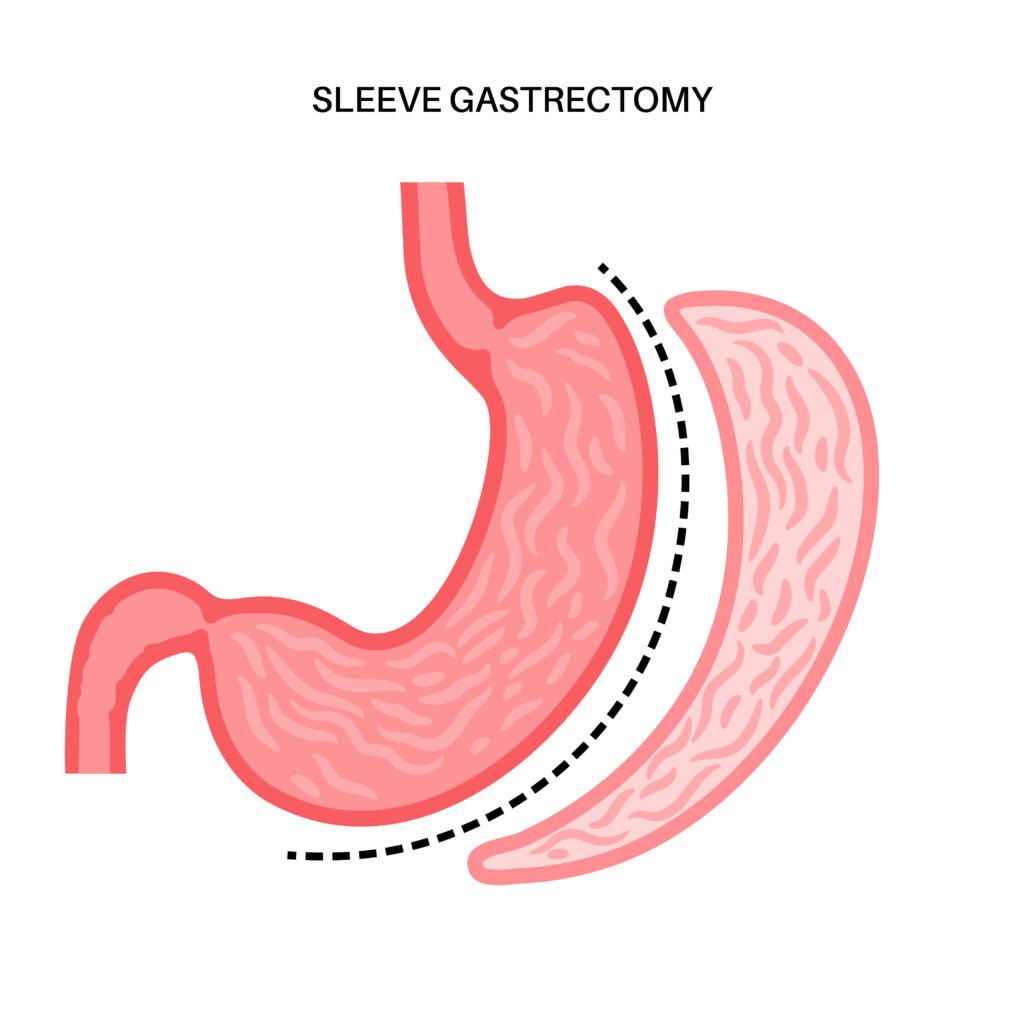
Gastric Sleeve surgery is a very common and effective surgical procedure for obesity treatment in Turkey. It involves reducing the patient’s nutrients and removing the ghrelin hormone (appetite) from the body. At Cayra, we offer safe and reliable surgery options to help our patients achieve their weight loss goals and improve their overall health.
This surgery is performed laparoscopically (closed). The operation, which involves using camera tools to enter through four small holes in the abdomen of the patient, takes approximately one hour.
In the fourth hour after the operation, the patient can stand up and walk alone. At Cayra, the patient must stay in the hospital for three days for observation. Afterward, our patients return to their everyday lives.
sleeve gastrectomy is one of the most effective procedures in obesity surgery. After six months, the patient can expect to lose approximately half of his excess weight and approximately 70% of his excess weight a year later. When the stomach is reduced, the patient will eat less than usual, as they will need less food to feel complete.
Why Is Gastric Sleeve Surgery Done?
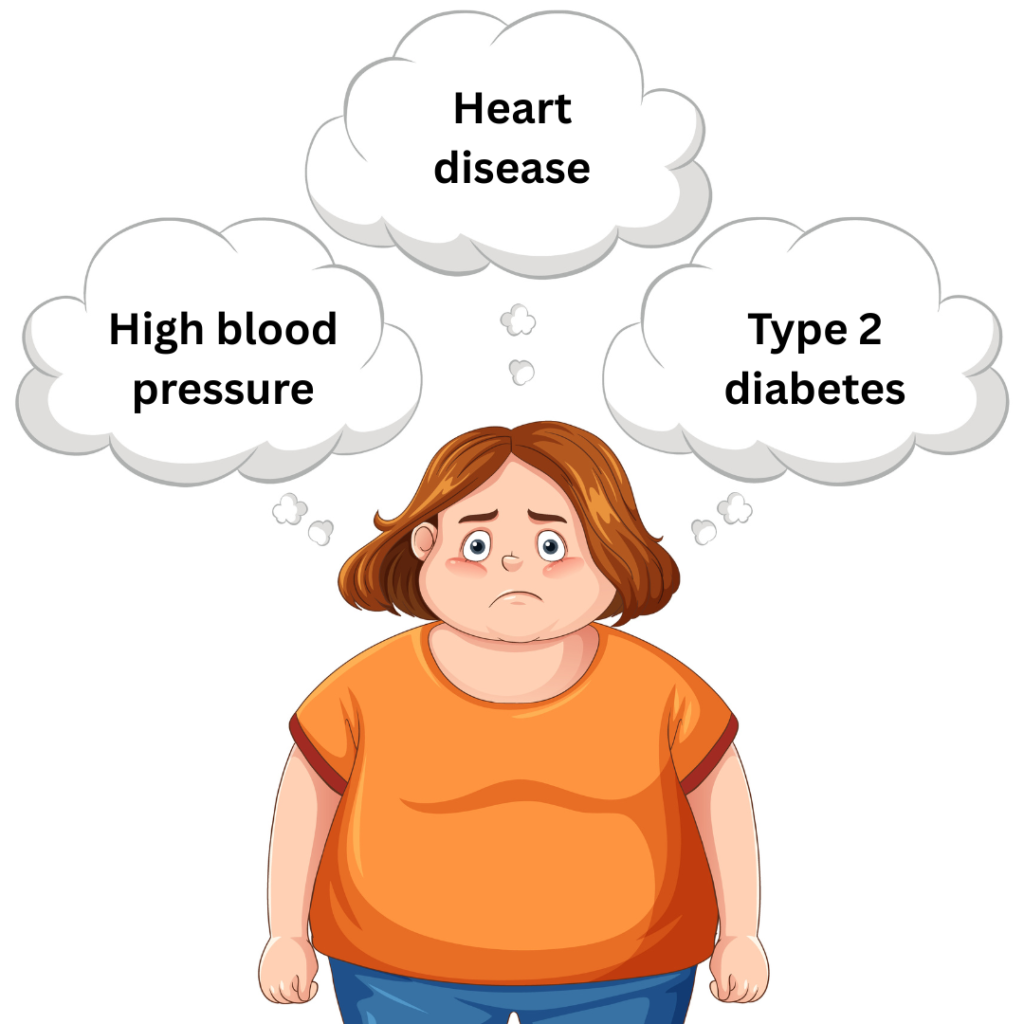
The surgery is done to help you lose excess weight and reduce your risk of potentially life-threatening weight-related health problems, including:
- Heart disease
- High blood pressure
- High cholesterol
- Obstructive sleep apnea
- Type 2 diabetes
- Stroke
- Cancer
- Infertility
this surgery is typically done only after you’ve tried to lose your’weight by improving your diet and exercise habits.
In general, sleeve gastrectomy surgery could be an option for you if:
- Your Body Mass Index (BMI) is 40 or higher (extreme obesity).
- Your BMI is 35 to 39.9 (obesity), and you have a serious weight-related health problem, such as type 2 diabetes, high blood pressure, or severe sleep apnea. In some cases, you may qualify for certain types of weight-loss surgery if your BMI is 30 to 34 and you have serious weight-related health problems.
You must also be willing to make permanent changes to lead a healthier lifestyle. You may be required to participate in long-term follow-up plans that include monitoring your nutrition, lifestyle and behavior, and medical conditions.
What are the Benifits of sleeve gastrectomy
the procedure induces rapid and effective weight loss comparable to gastric bypass surgery. Patients can expect to lose 50% or more of their excess weight in three years. The procedure does not require the implantation of a band or rerouting of the digestive process. Hormonal changes after the procedure help patients feel sated, eat less, and improve or resolve diabetes.
Who Is a Suitable Candidate?
Those with a BMI between 35 and 39.9 have obesity-related health conditions such as type 2 diabetes, obstructive sleep apnea, high blood pressure, osteoarthritis, and other obesity-related conditions. You could be a candidate for sleeve gastrectom if you meet any of the following criteria:
- You are more than 100 lbs. Over your ideal body weight.
- You have a Body Mass Index (BMI) of over 40.
- You have a BMI of over 35 and are experiencing severe adverse health effects, such as high blood pressure or diabetes, related to being severely overweight.
- You cannot achieve a healthy body weight for a sustained period, even through medically supervised dieting.
- Our program at Cayra Clinic in Turkey additionally treats adolescents and revision patients.
What Are The Risks And Complications?
Risks and side effects may vary depending on the type of bariatric procedure and the patient’s overall health. The list below is not exhaustive but highlights some of the more common risks associated with sleeve gastrectomy. Your surgeon at Cayra Clinic will explain all potential complications in detail before the operation.
Common and usually manageable risks include:
- Blood clots
- Gallstones (risk increases with rapid or
- Substantial weight loss)
- Hernia
How to Prepare for the Procedure?
In the weeks leading up to your surgery, you may be required to start a physical activity program and stop any tobacco use. Right before your procedure, you may have restrictions on eating and drinking and which medications you can take. Now is an excellent time to plan for your recovery after surgery. For instance, arrange for help at home if you need it.
What to Expect from the Operation?
Gastric sleeve surgery in Turkey is done in the hospital. Depending on your recovery, your hospital stay may last one to two nights.
During The Procedure
This weight-loss surgery is performed in a hospital setting. Depending on your recovery, your hospital stay usually lasts one to two nights.
Every operation is tailored to the patient’s individual needs. While some surgical treatments require large open incisions, sleeve gastrectomy is typically performed laparoscopically, which involves inserting small instruments through multiple small incisions in the upper abdomen. You are given general anesthesia before your surgery begins. Anesthesia is a medicine that keeps you asleep and comfortable during surgery.
During the surgery, the surgeon creates a narrow stomach tube by stapling the stomach vertically and removing the larger curved portion. The operation usually takes one to two hours. Afterward, you are moved to a recovery area where medical staff monitor you closely.
After The Procedure
Followig your surgery, your diet begins with sugar-free, noncarbonated liquids for the first seven days, then progresses to pureed foods for three weeks, and finally to regular foods approximately four weeks after your surgery.
It would be best to take a multivitamin twice daily, a calcium supplement daily, and a vitamin B-12 injection once a month for life. In the first several months after weight-loss surgery, you will have frequent medical checkups to monitor your health.
You may need laboratory testing, bloodwork, and various exams. You may experience changes as your body reacts to the rapid weight loss in the first three to six months after operation, including:
- Body aches
- Feeling tired, as if you have the flu
- Feeling cold
- Dry skin
- Hair thinning and hair loss
- Mood changes
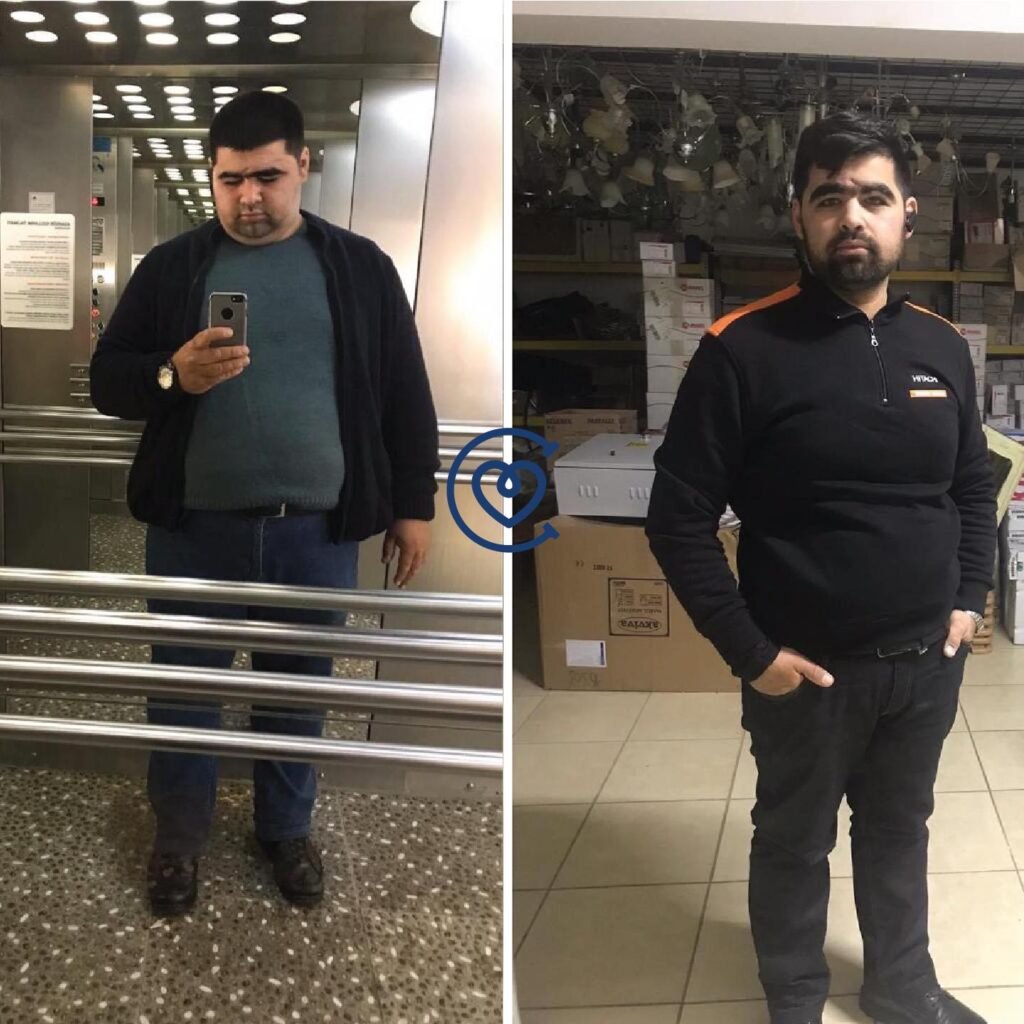
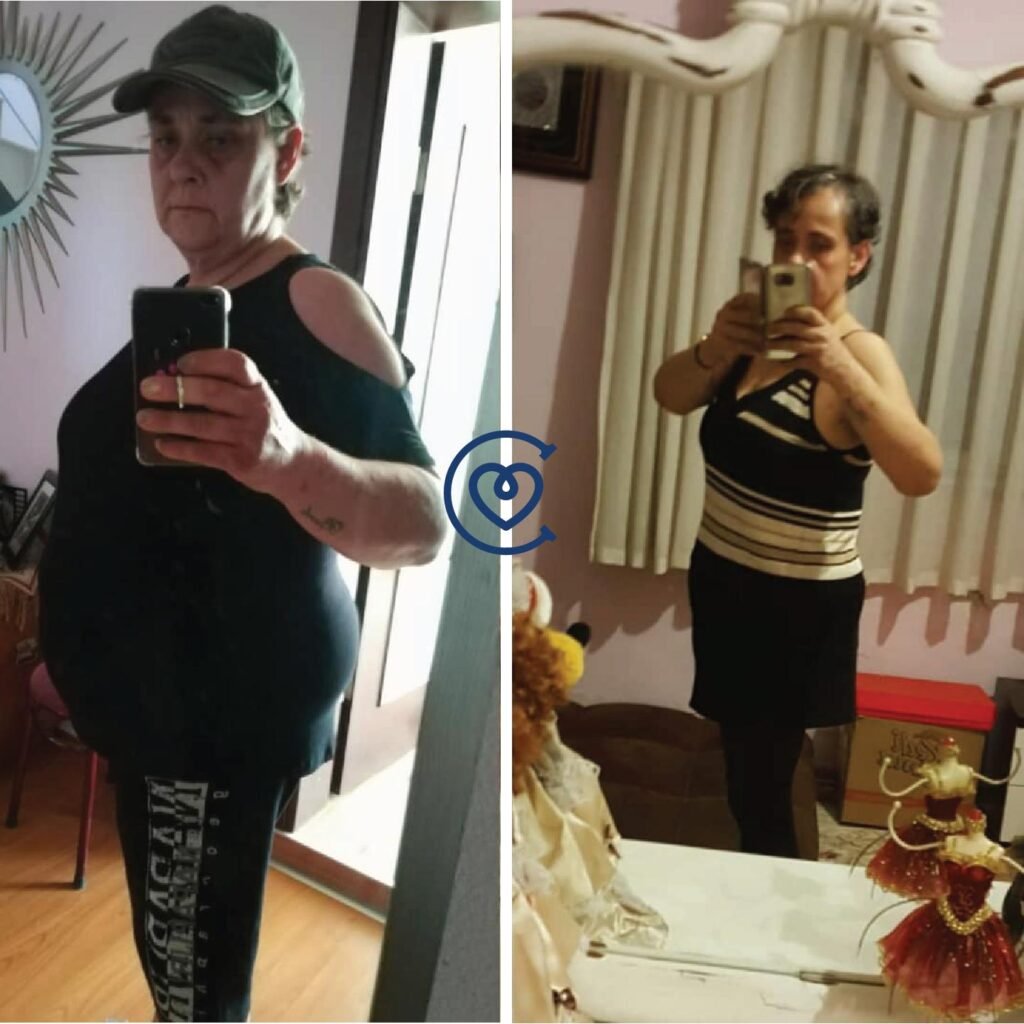
Results and Long-Term Outcomes
This bariatric procedure can provide long-term weight loss. The amount of weight you lose depends on your change in lifestyle habits. It is possible to lose approximately 60%, or even more, of your excess weight within two years. In addition to weight loss, this surgery may improve or resolve conditions related to being overweight, including:
- Heart disease
- High blood pressure
- High cholesterol
- Obstructive sleep apnea
- Type 2 diabetes
- Stroke
- Infertility
Patients often report better mobility, increased energy, and an improved quality of life.
How to Sleep After Surgery?
Getting quality sleep after a bariatric operation can be challenging, but it is important to make the effort. Not only will you feel better during the day if you are well-rested, but your healing process will go much smoother if you get enough sleep at night.
Here are some reccommended tips on how to sleep afte surgery:
Sleep on your back or side
The best way to sleep is on your back or side. This will help keep the stomach and lungs clear of pressure, which can cause discomfort. If you are a side sleeper, using a pillow between your legs is best to keep your spine aligned.
Avoid sleeping on your stomach
Sleeping on your stomach is not recommended, as it can cause the stomach to bulge and pressure your lungs.
- Use a supportive pillow.
Using a supportive pillow is critical when trying to sleep. A good pillow will keep your head and neck in line with your spine, which will help reduce tension headaches and neck pain.
Consider getting a wedge pillow
After operation, you might have gas in your abdominal cavity. This is necessary for the procedure, but it can move around and place pressure on the lungs. This is especially true if you are a side sleeper. A wedge pillow can help keep the gas where it needs to be, making sleeping much more comfortable and enjoyable.
Avoid drinking liquids before bedtime
Drinking liquids before bedtime might not seem like a big deal, but after gastric sleeve surgery, it could cause some problems. When you drink liquids before bed, your stomach fills with fluid and expands to accommodate this. This can lead to discomfort in your upper abdomen and lungs if you are a side sleeper or on your back.
Set up your bedside with everything you need
When trying to get good sleep after surgery, you must set up your bedside with everything you need. That means placing the remote control where it can be reached, having a glass of water or other drinks nearby in case you wake up thirsty, and ensuring all necessary devices are plugged in for easy access.
Frequently Asked Questions
Why consider this weight-loss surgery?
Obesity is harmful to a person’s health. A person who is 40 percent overweight is twice more likely to die prematurely than an average-weight person.
Who is eligible for the procedure?
At Cayra, we carefully evaluate all patients being considered. We provide nutritional and behavioral counseling, and patients are required to attend at least one weekly support group session prior to weight loss surgery.
To be eligible for gastric sleeve surgery in Turkey, you must be between 16 and 70 years of age (with some exceptions) and morbidly obese (weighing at least 100 pounds over your ideal body weight and having a BMI of 40). A BMI between 35 and 39 may also qualify you for the procedure if you also have certain pre-existing co-morbidities, such as diabetes, cardiovascular disease, hypertension, or sleep apnea.
What is the recovery time?
Most patients recover quickly and without complications. Hospital stays typically last two to four days, depending on individual progress.
Is post-surgery support provided?
Cayra’s gastric surgery healthcare team guides patients after each procedure. During the first year after surgery, regular follow-up visits are scheduled to check overall physical and mental health, metabolism, and nutritional status.
How much weight loss can be expected?
Most patients will lose between 66 and 80 percent of their excess body weight, most of which is lost 18 to 24 months following operation.
Are there dietary restrictions?
You must follow specific eating guidelines. Registered dietitians at Cayra work directly with patients to help plan healthful, appropriate meals. Additionally, you will need to stop smoking and discontinue the use of NSAIDs.
Can the procedure be reversed?
The surgery is reversible and minimally invasive. It is potentially reversible, but reversal requires another operation of the same or greater magnitude with the same or more significant risks.
Why Choose Cayra Clinic?
Cayra is widely respected, recognized, and awarded for its revolutionary work in bariatric and metabolic surgery. Our board-certified surgeons meet the highest standard of qualifications and credentialing for this specialty and have performed hundreds of procedures.
Our board-certified surgeons specialize in minimally invasive techniques, helping reduce complications and speed recovery.
With modern facilities in Istanbul and Antalya, advanced technology, and comprehensive pre- and post-operative care, Cayra Clinic offers a safe and reliable path toward long-term weight management.
You can get your free consultation now for your weight loss journey. Our medical team will assist you for your questions and concerns. You can visit our blog page for more information.
