
Breast implant replacement, also known as breast implant revision, is a surgical procedure aimed at changing breast implants due to various reasons such as complications, aesthetic preferences, or the natural aging process. This comprehensive guide will delve into the reasons for implant replacement, the surgical procedure, recovery expectations, potential risks, and associated costs.
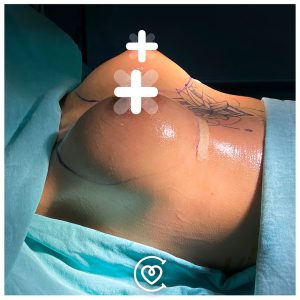
Reasons for Breast Implant Replacement
There are several motivations for individuals to consider breast implant replacement:
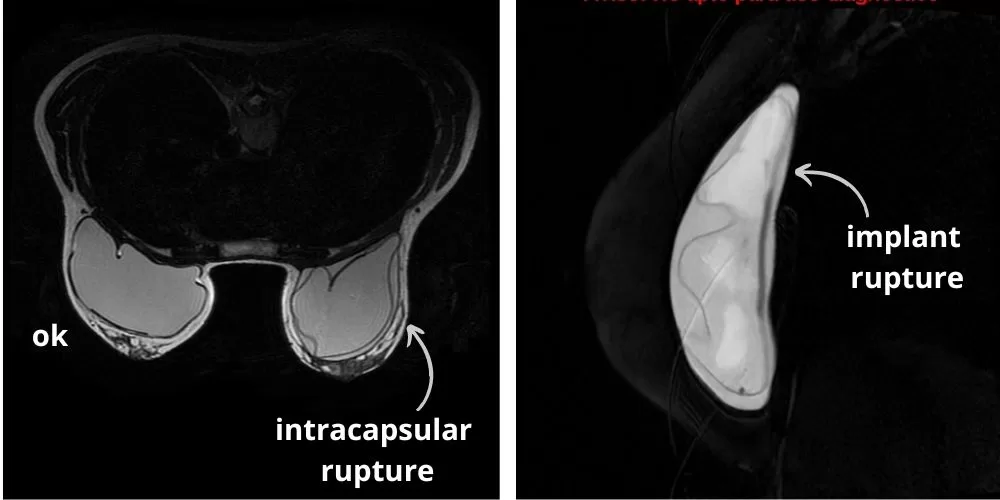
- Implant Rupture or Leakage: Over time, implants may develop tears or holes, leading to leakage. This can result in changes in breast shape or size and may necessitate replacement.
- Capsular Contracture: This occurs when the scar tissue around the implant tightens, causing discomfort or altering the breast’s appearance.
- Desire for Size or Style Change: Some individuals may wish to change the size or type of their implants to better align with their current aesthetic preferences.
- Aging Implants: Implants are not lifetime devices; they may need to be replaced after a certain period due to wear and tear.
- Changes in Breast Tissue: Weight fluctuations, pregnancy, or aging can alter the natural breast tissue, leading some to opt for implant revision.
The Breast Implant Replacement Procedure
The breast implant replacement surgery involves several key steps:
- Anesthesia: The procedure is typically performed under general anesthesia to ensure patient comfort.
- Incision: The surgeon makes an incision, often in the same location as the original to minimize additional scarring.
- Removal of Old Implants: The existing implants are carefully removed.
- Capsule Management: If necessary, the surrounding scar tissue (capsule) is removed or modified.
- Insertion of New Implants: New implants are placed into the breast pocket.
- Closure: The incisions are closed with sutures, and dressings are applied.
The entire procedure typically takes about 1 to 3 hours, depending on the complexity.
Recovery After Breast Implant Replacement
Recovery from breast implant revision surgery varies among individuals but generally follows this timeline:
- First Few Days: Patients may experience swelling, bruising, and discomfort, which can be managed with prescribed pain medication.
- First Week: Light activities can usually be resumed, but strenuous activities should be avoided.
- Several Weeks: Swelling and bruising gradually subside.
- Full Recovery: Most patients return to normal activities within 4 to 6 weeks.
Adhering to the surgeon’s post-operative instructions is crucial for a smooth recovery and optimal results.
Potential Risks and Complications
As with any surgical procedure, breast implant replacement carries potential risks:
- Infection: Though rare, infections can occur and may require additional treatment.
- Bleeding or Hematoma: Accumulation of blood around the implant may necessitate surgical intervention.
- Anesthesia Risks: Adverse reactions to anesthesia, while uncommon, are possible.
- Scarring: Some scarring is inevitable, but it typically fades over time.
- Implant Malposition: Improper positioning of the new implants may require corrective surgery.
Discussing these risks with a qualified surgeon can help in making an informed decision.
Cost of Breast Implant Replacement
The cost of breast implant replacement surgery varies based on factors such as geographic location, surgeon’s expertise, and the specifics of the procedure.
| Country | Average Cost |
|---|---|
| United States | $8,000 – $15,000 |
| United Kingdom | £5,000 – £10,000 |
| Turkey | $3,000 – $5,000 |
Note: These figures are approximate and can vary based on individual circumstances and clinic pricing.
It’s essential to consult with multiple clinics to obtain detailed quotes tailored to your needs.
Choosing the Right Surgeon
Selecting a qualified and experienced surgeon is paramount for a successful breast implant revision. Consider the following:
- Board Certification: Ensure the surgeon is board-certified in plastic surgery.
- Experience: Look for a surgeon with extensive experience in breast implant procedures.
- Before and After Photos: Review the surgeon’s portfolio to assess their work.
- Patient Reviews: Read testimonials to gauge patient satisfaction.
At Cayra Clinic, our team of board-certified plastic surgeons specializes in breast implant procedures, offering personalized care to achieve your desired results.
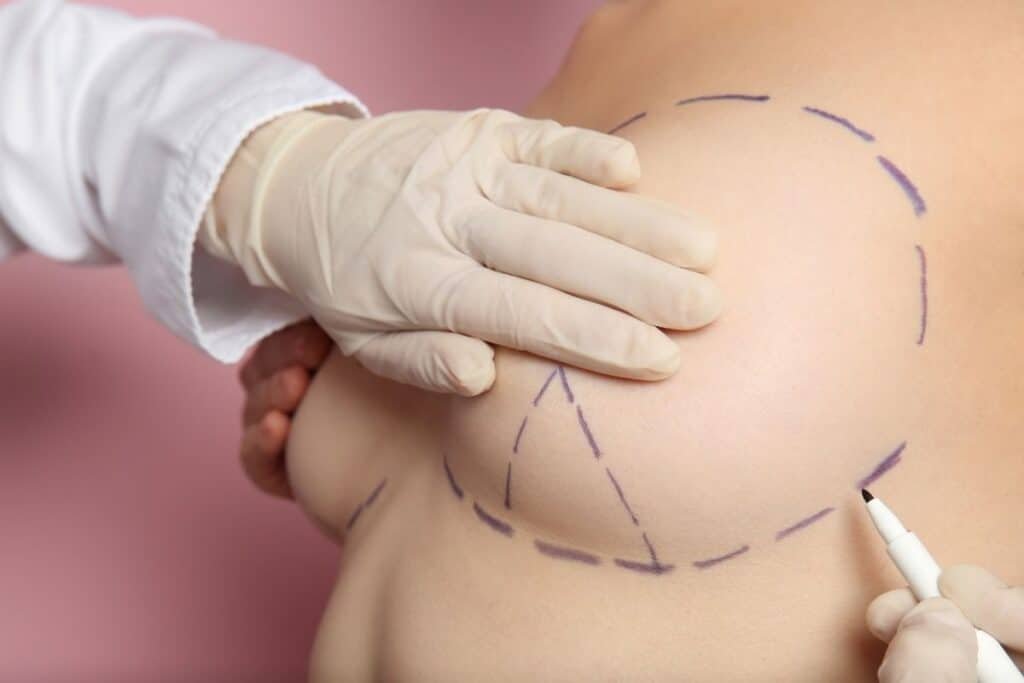
Breast implant replacement is a significant decision that requires careful consideration of the reasons, procedure, recovery, risks, and costs involved. Consulting with a qualified surgeon is essential to determine the best course of action tailored to your individual needs.
At Cayra Clinic, we are committed to providing exceptional care and expertise in breast implant procedures. Our experienced team is dedicated to helping you achieve your aesthetic goals with safety and precision. For Further details visit our About Us page and for consultation, contact our expert team to discuss about breast implant replacement through our contact us page and you can visit our blog page for more information.
Relevant Treatments & Blogs:
- Is Turkey A Good Country For Breast Surgeries
- Celebrities With Breast Implants
- 7 Myths About Breast Implant Change
