
As the biological clock ticks forward, the natural aging process begins to leave its unmistakable marks on our skin and facial structure. Factors such as a decrease in collagen production, loss of subcutaneous facial fat, and the relentless pull of gravity conspire to create sagging jowls, deep nasolabial folds, and a softened jawline. When non-surgical treatments, fillers, and threads are no longer enough to restore a youthful contour, patients often turn to surgical options.
However, one of the most common dilemmas in modern plastic surgery is choosing between a mini facelift and a full facelift. Understanding the distinct anatomical targets, surgical scopes, and recovery expectations of each procedure is essential before making a decision. As international medical tourism continues to thrive—with Turkey leading the world in advanced facial plastic surgery—patients have unprecedented access to world-class care and life-changing results. Let’s dive deep into the comparison to help you determine which procedure aligns with your unique aging pattern and aesthetic goals.
Anatomical Differences: What Each Procedure Actually Targets
To choose the right surgical path, you must first understand how each procedure interacts with your underlying facial anatomy:
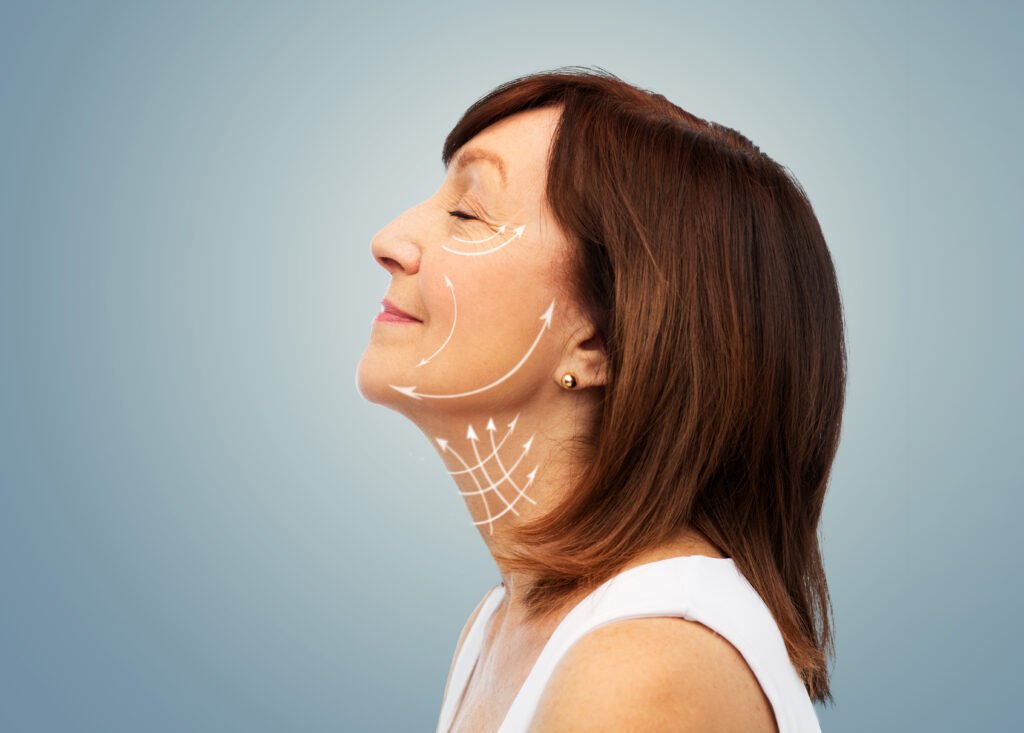
The Mini Facelift: This procedure is specifically designed for individuals experiencing mild-to-moderate early signs of aging. It focuses primarily on the lower third of the face. The surgeon makes shorter incisions—typically hidden around the natural contours of the ears—to access, lift, and tighten the superficial musculoaponeurotic system (SMAS) layer. It effectively addresses minor jowling, slight neck laxity, and drooping cheeks, offering a subtle yet refreshing restoration of youthful definition.
The Full Facelift (Traditional Rhytidectomy): In contrast, a full facelift is a comprehensive, transformative procedure designed to tackle advanced aging across the entire face and upper neck. It addresses severe skin laxity, deep wrinkles, heavy jowls, prominent turkey neck bands, and mid-face descent. The incisions extend further into the hairline and behind the ears, allowing the plastic surgeon to comprehensively lift, reposition, and secure deep facial tissues into their original youthful vectors while trimming excess skin.
Candidacy Guide: Who Is the Ideal Patient for Each Option?
Age alone is never the sole determining factor in plastic surgery; rather, skin elasticity, bone structure, and the degree of tissue descent dictate your ideal candidacy:
Ideal Candidates for a Mini Facelift: Typically younger patients (often in their late 30s to late 50s) who exhibit early signs of aging. Their skin still retains good elasticity, but they are beginning to notice a softening of the jawline and minor tissue descent that non-surgical treatments cannot fix.
Ideal Candidates for a Full Facelift: Generally individuals in their 50s, 60s, or beyond, or anyone who has experienced significant weight fluctuation resulting in substantial skin laxity and deep facial folds. These patients require a complete structural reset to achieve harmonious, balanced, and long-lasting rejuvenation from the cheekbones down to the collarbone.
Tabular Comparison: Mini Facelift vs. Full Facelift Breakdown
To clearly visualize how these two premier facial rejuvenation techniques compare across clinical, surgical, and recovery parameters, review the structured table below:
Surgical Techniques and Technological Innovations in Turkey
When considering facial surgery, the expertise of the surgical team and the technological sophistication of the medical facility are paramount. Turkey has earned its reputation as the global capital for plastic surgery by combining decades of surgical mastery with state-of-the-art innovations.
Turkish facial plastic surgeons are pioneers in advanced techniques such as Deep Plane Facelifts and specialized SMAS manipulation. By releasing retaining ligaments and lifting the deeper facial muscles as a single, cohesive unit rather than pulling tightly on the skin, surgeons achieve breathtakingly natural results. This eliminates the dreaded “pulled” or wind-swept look, ensuring your expressions remain entirely authentic, fluid, and youthful.
Recovery Timelines, Downtime, and Healing Expectations
Planning your recovery phase correctly ensures that your physical healing matches your aesthetic expectations. While both procedures require patience, their timelines differ significantly:
Mini Facelift Recovery: Because the surgical footprint is smaller and tissue disruption is minimized, swelling and bruising are generally mild. Most international patients staying in Turkey can have their sutures removed around day 5 to 7 and safely fly home by the end of the first week, resuming light desk work shortly thereafter.
Full Facelift Recovery: A comprehensive full facelift involves more extensive tissue elevation. Initial swelling, tightness, and bruising peak around day 3 and subside noticeably over two weeks. Patients should plan to stay in Turkey for 7 to 10 days for thorough post-op check-ups, with a total recovery window of 3 to 4 weeks before returning to high-visibility public engagements.

Financial Considerations: Why Patients Choose All-Inclusive Packages in Turkey
Surgical rejuvenation is a significant personal and financial investment. In Western countries like the UK or the US, private facelifts can cost anywhere from £8,000 to over £20,000, frequently with added fees for hospital overheads, anesthesiologists, and follow-up visits.
In contrast, accredited medical institutions in Turkey offer comprehensive all-inclusive packages ranging from £3,000 to £6,500 for mini facelifts, and £4,500 to £8,500 for full facelifts. These transparent packages cover everything: surgeon fees, hospital operating room costs, anesthesia, pre-op blood panels, luxury 5-star hotel accommodations, VIP private airport and clinic transfers, and dedicated English-speaking medical hosts. This exceptional value allows patients to access elite, board-certified surgical care without compromise.
Making Your Final Decision: The Importance of Professional Consultation
Choosing between a mini facelift and a full facelift should never be a guessing game. While online research provides a solid foundation, every human face possesses a unique bone structure, skin thickness, and aging trajectory that only a qualified plastic surgeon can accurately assess.
Reputable clinics in Turkey offer thorough virtual consultations. By sharing high-resolution photographs and discussing your aesthetic desires, expert surgeons will evaluate your tissue elasticity and recommend the exact procedure—or combination of procedures (such as adding eyelid surgery or fat grafting)—tailored to deliver your dream results safely and harmoniously.
Domande Frequenti (FAQ) / Frequently Asked Questions
1. How do I know for sure if I need a mini facelift or a full facelift?
The definitive answer comes from a professional medical evaluation. As a general rule of thumb, if your main concern is mild jowling and a slightly soft jawline with good skin elasticity, a mini facelift is likely sufficient. If you have deep neck folds, severe skin laxity, and mid-face sagging, a full facelift is required for true correction.
2. Can a mini facelift give me the same long-lasting results as a full facelift?
No. While both procedures offer durable results, a full facelift addresses deeper anatomical structures and removes a greater amount of redundant tissue, making its results significantly more long-lasting (often 10 to 15+ years) compared to a mini facelift.
3. Will my scars be visible after a full or mini facelift?
Plastic surgeons are masters at concealing incisions within natural anatomical creases, behind the tragus of the ear, and along the hairline. Once the healing process is complete and the scars mature, they become virtually invisible to the naked eye.
4. Is general anesthesia required for a mini facelift?
Not always. A mini facelift can often be performed comfortably using local anesthesia combined with intravenous (IV) sedation. A full facelift, due to its comprehensive nature and longer duration, is performed under general anesthesia.
5. Can I combine a facelift with other facial procedures?
Yes! Many patients traveling to Turkey choose to combine their facelift (mini or full) with complementary procedures such as upper/lower blepharoplasty (eyelid surgery), a neck lift, or autologous fat grafting to restore lost facial volume simultaneously.
6. How safe is it to travel to Turkey for facial plastic surgery?
It is extremely safe when choosing JCI-accredited hospitals and board-certified plastic surgeons. Turkey boasts world-class medical infrastructure, rigorous safety protocols, and dedicated international patient care teams that manage every detail of your journey.
Mini Facelift vs Full Facelift: Which Is Right for You?
Considering facial rejuvenation but unsure whether a mini facelift or a full facelift is the better choice? Both procedures aim to improve visible signs of ageing, but they differ in their surgical approach and the areas they address. The right option depends on your skin laxity, facial anatomy and aesthetic goals.
A mini facelift may be suitable for people with mild to moderate sagging, particularly around the lower face and jawline. A full facelift may be more appropriate for more pronounced ageing changes involving the cheeks, jawline and neck. Learn more from the American Society of Plastic Surgeons and discuss the benefits, risks and recovery expectations with a qualified surgeon.
At Cayra Clinic, you can explore aesthetic treatments in Turkey and receive information about planning your treatment. You can also discover our services for hair transplantation and dental treatments.
Ready to explore your facial rejuvenation options? Contact Cayra Clinic to learn more about mini and full facelift procedures and discuss which approach may suit your individual needs.
