For millions of women worldwide, living with progressive, painful swelling in the legs, hips, thighs, and arms is a distressing reality. Frequently misdiagnosed as standard obesity or lifestyle-related weight gain, Lipedema is a chronic, hereditary adipose tissue disorder characterized by the abnormal, symmetrical accumulation of diseased, nodular fat cells. Unlike typical body fat, lipedema tissue is highly resistant to strict calorie deficits, intense exercise, or bariatric surgery, and is accompanied by tenderness, easy bruising, heaviness, and impaired mobility.
While surgical intervention using specialized liposuction techniques represents the gold standard for long-term lipedema management, patients often wonder: Isn’t lipedema liposuction just a regular cosmetic lipo procedure? The answer is a definitive no. Lipedema surgery is a therapeutic, reconstructive medical procedure designed to relieve pain and protect lymphatic channels, whereas cosmetic liposuction is an aesthetic body-contouring treatment. When international patients seek world-class lymph-sparing surgeons, advanced water-assisted (WAL) technology, and accessible all-inclusive care, Turkey—and Istanbul in particular—stands out as a leading global destination. Let’s analyze the technical differences, surgical goals, recovery protocols, and cost advantages.
Understanding Lipedema: A Medical Condition vs. Cosmetic Fat
To understand why surgical techniques must differ, one must first recognize the biological distinction between normal subcutaneous fat and diseased lipedematous tissue:
Pathological Nodular Fat Structure: Lipedema fat consists of diseased, hyperplastic fat cells encapsulated within dense, fibrotic connective tissue. These nodular structures press against micro-blood vessels and sensory nerve endings, causing chronic burning pain, pressure sensitivity, and spontaneous bruising.
The Threat to the Lymphatic System: As lipedema progresses through Stages 1, 2, and 3, the expanding diseased fat lobes crush neighboring lymphatic capillaries. If left untreated, this can progress to Lipo-Lymphedema (Stage 4), where fluid lymphatic drainage fails completely, leading to irreversible limb swelling and skin changes. Cosmetic liposuction targets normal soft fat, whereas lipedema surgery targets this dense, diseased tissue while meticulously preserving fragile lymphatic pathways.
Surgical Technique: Lymph-Sparing Methods (WAL & VASER) vs. Standard Lipo
The core difference between cosmetic and medical lipedema surgery lies in the instruments, suction force, and anatomical stroke patterns used by the surgeon:
Cosmetic Liposuction Technique: Standard aesthetic liposuction focuses on sculpting visual contours (such as creating an hourglass waist or etched abs). Surgeons often use larger, sharper cannulas moved criss-cross under aggressive suction to harvest fat quickly, with little concern for deep lymphatic vessel orientation.
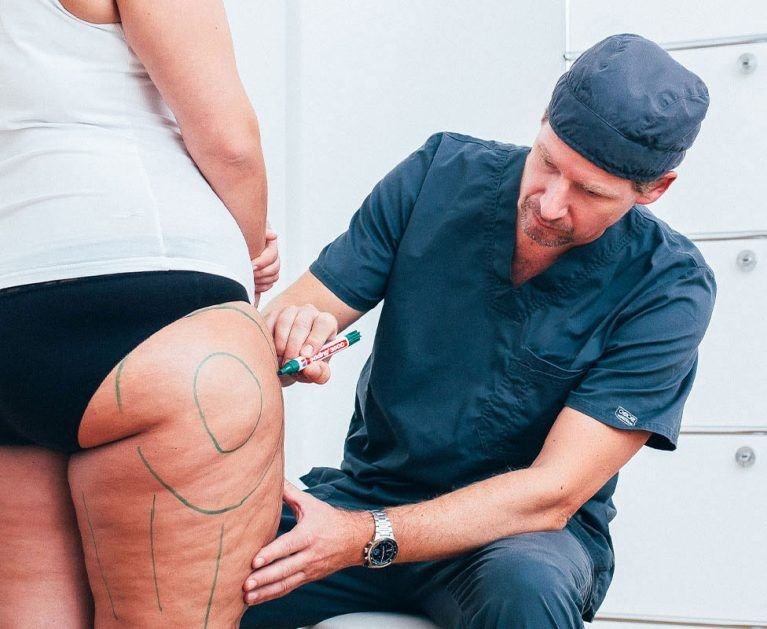
Lymph-Sparing Lipedema Surgery (WAL & VASER): Lipedema specialists employ Water-Assisted Liposuction (WAL / Body-Jet) or low-frequency VASER (Ultrasound) Liposuction. Gentle fan-shaped water jets spray a specialized tumescent solution to dislodge dense fat nodules without tearing underlying lymphatic trunks, veins, or nerves. Furthermore, cannulas are moved strictly parallel to the longitudinal direction of lymphatic drainage paths to avoid mechanical trauma.
Tabular Comparison: Cosmetic Liposuction vs. Therapeutic Lipedema Surgery
To evaluate how these two procedures differ across clinical parameters, consult the comparison table below:
Multi-Stage Treatment Plans: Managing Large Volume Fat Removal Safely
Because lipedema typically affects the full length of both legs (from hips to ankles) and often the arms, attempting to clear all diseased fat in a single operation can compromise patient safety:
The Safety Threshold for Fluid Shift: Removing massive volumes of lipedematous fat (>10 liters>10\text{ liters}) in one go introduces significant fluid shift risks, hemoglobin drop, and systemic strain.
Staged Surgical Sequences in Turkey: Expert lipedema centers in Turkey design multi-stage treatment plans spaced 3 to 6 months apart. For example, Stage 1 may focus on the calves and lower legs, while Stage 2 addresses the thighs and buttocks. This staged approach ensures safety, allows proper skin retraction, and yields optimal mobility restoration.
Tabular Comparison: Lipedema Surgery Costs in Western Europe/USA vs. Turkey
International patients benefit from specialized surgical expertise and significant cost optimization when selecting accredited clinics in Turkey:
Specialized Aftercare: Compression Garments and Manual Lymphatic Drainage (MLD)
Healing from lipedema reduction surgery requires a far more structured, specialized aftercare protocol than recovering from cosmetic lipo:
Flat-Knit Medical Compression: Unlike elastic circular-knit garments used for cosmetic lipo, lipedema patients require custom flat-knit medical compression garments. Flat-knit fabric provides high working pressure, preventing lymphatic fluid pool accumulation and providing essential tissue support to healing limbs.
Manual Lymphatic Drainage (MLD) Protocol: Starting within 24 to 48 hours post-surgery, patients undergo gentle MLD massage sessions performed by certified lymphatic therapists. MLD opens collateral lymphatic pathways, accelerates fluid reabsorption, reduces post-operative swelling, and prevents fibrotic scar formation.
Realistic Expectations: Pain Relief, Mobility, and Long-Term Results
Understanding post-operative outcomes ensures patients approach their lipedema surgical journey with confidence:
Functional and Pain Relief Benefits: The primary success metric of lipedema surgery is functional improvement. Over 90% of patients report dramatic reductions in tissue tenderness, an elimination of chronic “heavy leg” fatigue, improved joint mobility, and reduced bruising frequency.
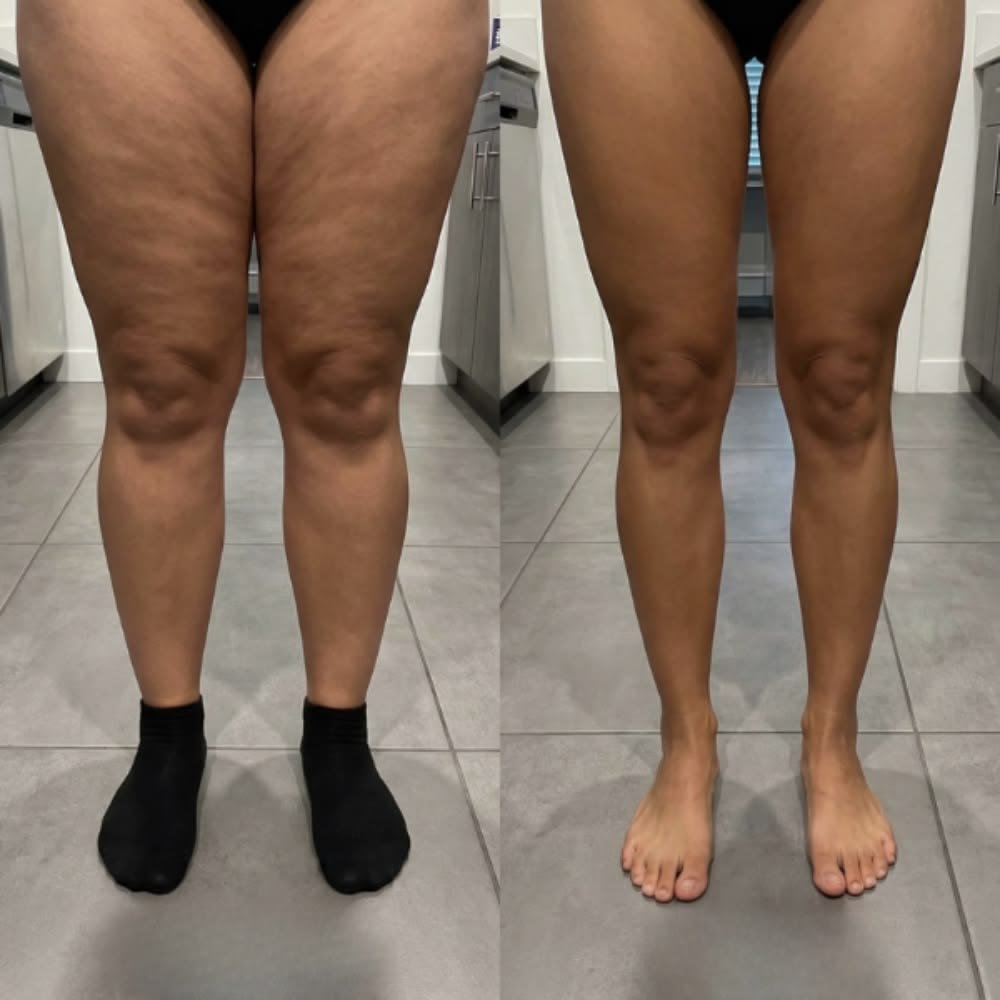
Cosmetic Refinement as a Welcome Benefit: Although the procedure is medical, removing large volumes of disproportionate fat significantly restores limb symmetry, allowing patients to wear standard clothing sizes, knee-high boots, and move comfortably. Because diseased fat cells are permanently extracted, long-term results remain stable when paired with healthy nutrition and active lifestyle habits.
Frequently Asked Questions (FAQ)
1. Can lipedema fat return after specialized liposuction in Turkey?
Diseased fat cells removed during specialized lymph-sparing surgery do not grow back. However, because lipedema is a progressive genetic condition, maintaining stable body weight and following a healthy lifestyle prevents residual healthy fat cells from expanding.
2. Is lipedema surgery covered by international health insurance?
While some European health insurance providers partially cover lipedema surgery upon extensive medical documentation, many insurance plans classify it as elective. Turkey’s transparent, all-inclusive medical travel packages offer high-quality care at a fraction of Western self-pay prices.
3. How long do I need to stay in Turkey for lipedema reduction surgery?
For a single-stage lipedema procedure, a medical stay of 7 to 10 days in Turkey is recommended. This allows time for pre-operative diagnostic mapping, the surgical procedure, hospital recovery, post-op MLD sessions, custom compression fitting, and final clearance to fly home.
4. What is the difference between WAL and VASER for lipedema?
Water-Assisted Liposuction (WAL / Body-Jet) uses a pressurized water stream to wash out fat nodules gently, making it exceptionally mild on lymphatic capillaries. VASER uses low-frequency ultrasonic sound waves to liquefy fibrotic fat before removal. Skilled surgeons in Turkey often combine both techniques depending on tissue density.
5. Can I get cosmetic procedures (like a tummy tuck or skin tightening) during lipedema surgery?
If significant skin laxity exists after large-volume lipedema fat removal, body contouring or skin resection (such as a thigh lift or arm lift) can sometimes be planned during later surgical stages once the limbs have healed completely and swelling has resolved.
6. How do I start planning my lipedema treatment in Turkey?
Getting started is simple and confidential. Take clear photographs of your affected areas (standing front, side, and back views of legs/arms) and share your medical history and symptoms with an accredited lipedema center in Turkey. A specialized surgical team will evaluate your stage of lipedema and provide a custom multi-stage treatment proposal.