
For millions of individuals worldwide, Type 2 Diabetes is a relentless, progressive condition requiring lifelong medication, strict blood sugar monitoring, and constant dietary vigilance. However, modern medical advancements have revolutionized our understanding of metabolic health. Bariatric surgery is no longer viewed merely as a tool for extreme weight loss; it is now officially recognized as metabolic surgery—one of the most effective interventions available for achieving long-term Type 2 Diabetes remission.
When patients with Type 2 Diabetes look abroad for expert care, Turkey stands out as the world’s leading hub for advanced bariatric and metabolic procedures. Yet, a crucial clinical question remains: Should you choose a Gastric Sleeve or a Gastric Bypass if your primary goal is conquering diabetes? Let’s analyze how both procedures impact blood sugar regulation, hormonal pathways, and long-term metabolic health.
Understanding Metabolic Surgery: How Bariatric Procedures Reverse Diabetes
To understand why stomach operations have such a dramatic impact on blood sugar, we must look beyond calorie restriction and examine gut hormones:
The Incretin Effect: Operations that alter the route of food through the digestive tract (such as the gastric bypass) stimulate the rapid release of incretin hormones (like GLP-1 and PYY) from the lower intestine. These hormones signal the pancreas to produce insulin efficiently almost immediately after surgery, often before any significant weight loss has even occurred.
Resetting Insulin Resistance: Both procedures drastically reduce overall body fat and systemic inflammation, allowing the body’s cells to respond properly to insulin once again. This reduces or entirely eliminates the need for daily oral hypoglycemic medications and insulin injections.
Gastric Sleeve (Sleeve Gastrectomy) and Diabetes
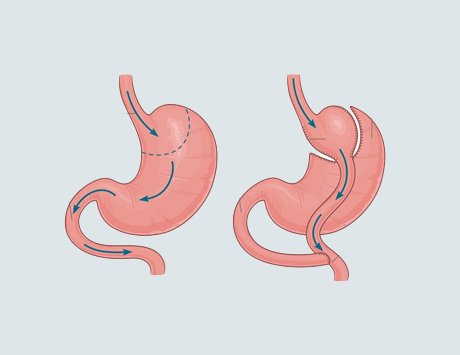
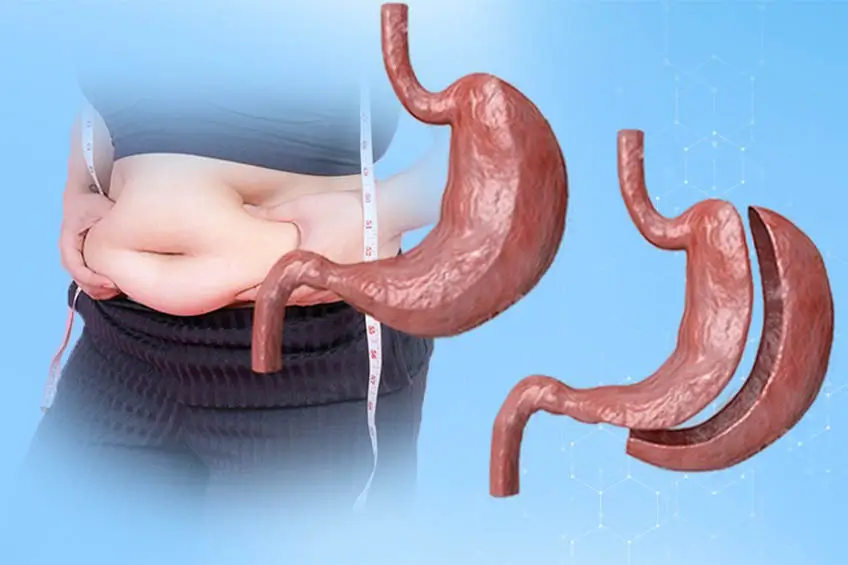
The Gastric Sleeve procedure involves removing approximately 75% to 80% of the stomach, leaving behind a narrow, banana-shaped gastric tube.
How It Impacts Diabetes: By dramatically reducing stomach capacity, patients consume fewer calories, leading to steady, significant weight loss. This weight reduction relieves immense strain on the pancreas and improves insulin sensitivity. Furthermore, removing the outer curvature of the stomach reduces levels of grelin (the hunger hormone), altering metabolic signaling.
Remission Rates: Clinical studies show that the Gastric Sleeve achieves an impressive Type 2 Diabetes remission rate of 60% to 70%, particularly in patients who have had diabetes for less than 10 years and do not rely heavily on insulin injections.
Gastric Bypass (Roux-en-Y) and Diabetes: The Metabolic Powerhouse
The Gastric Bypass is a more complex procedure where the surgeon creates a small upper stomach pouch and reroutes a section of the small intestine, bypassing the lower stomach and duodenum.
How It Impacts Diabetes: In addition to severe calorie restriction and weight loss, the intestinal rerouting creates an immediate and powerful hormonal shift. Food bypasses the upper intestine, triggering an immediate surge in incretin hormones that supercharges insulin secretion and stabilizes blood glucose levels within days of surgery.
Remission Rates: Because of this dual mechanism (restriction plus malabsorption and powerful hormonal alteration), the Gastric Bypass achieves higher long-term diabetes remission rates, often ranging from 75% to 85%+, making it the gold standard for patients with long-standing or insulin-dependent Type 2 Diabetes.
Gastric Sleeve vs. Gastric Bypass for Type 2 Diabetes
To evaluate how both surgeries compare across metabolic, surgical, and lifestyle parameters, review the structured table below:
Which Procedure Should You Choose? Key Decision Factors
Selecting the right operation for your metabolic profile is never a one-size-fits-all decision. Your bariatric surgeon in Turkey will analyze several critical health indicators during your consultation:
Duration of Diabetes: If you were diagnosed with Type 2 Diabetes within the last 5 years and your pancreas is still producing adequate insulin, the Gastric Sleeve is often sufficient to achieve full remission.
Insulin Dependency & Severity: If you have battled diabetes for over a decade, take multiple daily insulin shots, or suffer from severe metabolic syndrome, the Gastric Bypass is generally recommended due to its superior hormonal impact on pancreatic function.
History of Acid Reflux: Patients suffering from severe gastroesophageal reflux disease (GERD) are strongly steered away from the sleeve (which can exacerbate reflux) and toward the gastric bypass, which resolves acid reflux.
Why International Patients Choose Turkey for Metabolic Surgery
When managing complex systemic conditions like Type 2 Diabetes, patients increasingly look to specialized medical centers abroad that offer unmatched clinical excellence:
World-Class Metabolic Surgeons: Leading bariatric hospitals in Istanbul and Antalya feature multidisciplinary teams—including endocrinologists, cardiologists, and dietitians—specializing exclusively in metabolic surgery and diabetes reversal.
All-Inclusive Medical Tourism Value: Comprehensive packages cover your surgical fees, JCI-accredited hospital stays, luxury 5-star hotel accommodations, VIP private airport transfers, and lifelong nutritional guidance—all at a 50% to 70% savings compared to Western healthcare systems.
Life After Surgery: Managing Blood Sugar and Nutrition
Surgical intervention is a transformative catalyst, but maintaining lifelong metabolic health requires active commitment:
Rapid Medication Reduction: Most patients notice their blood sugar levels plummet within days of surgery, often allowing them to stop taking oral diabetes medications or insulin before leaving the hospital, always under strict medical supervision.
Lifelong Nutritional Care: While sleeve patients follow a straightforward vitamin regimen, bypass patients must commit to lifelong multivitamin, calcium, and vitamin B12 supplementation to compensate for altered intestinal absorption.
Domande Frequenti (FAQ) / Frequently Asked Questions
1. Will I stop taking diabetes medications immediately after surgery?
Many patients reduce or completely stop taking their diabetes medications or insulin within days or weeks of surgery as blood sugar levels normalize. However, any medication adjustments must be strictly monitored and approved by your medical team.
2. Can bariatric surgery cure Type 1 Diabetes?
No. Bariatric and metabolic surgery is specifically indicated for Type 2 Diabetes and insulin resistance. Type 1 Diabetes is an autoimmune condition where the pancreas produces little to no insulin and cannot be treated with bariatric procedures.
3. Which surgery is safer: Gastric Sleeve or Gastric Bypass?
Both procedures are performed laparoscopically and share remarkably low complication rates when executed by experienced surgeons in accredited hospitals. The gastric sleeve has a slightly simpler anatomical profile, but the gastric bypass offers unmatched metabolic power.
4. How long is the hospital stay in Turkey for metabolic surgery?
The typical hospital stay for either a Gastric Sleeve or Gastric Bypass is 3 to 4 nights. The recommended total stay in Turkey to complete all post-operative checks before flying home is 7 days.
5. Will my diabetes return years after surgery?
For the vast majority of patients, diabetes remission is long-lasting. However, a small percentage of patients may experience a gradual return of elevated blood sugar years later if significant weight is regained or if the pancreatic beta cells were already severely exhausted prior to surgery.
6. How do I determine which surgery is right for my diabetes?
Begin by sharing your detailed medical history, current medications, HbA1c blood test results, and health profile with an accredited clinic in Turkey for a free online evaluation with an expert metabolic surgeon.

Gastric Sleeve vs. Gastric Bypass in Turkey: Which Is Better if You Have Type 2 Diabetes?
If you have obesity and type 2 diabetes, bariatric surgery may be one option to discuss with a specialist when other approaches have not achieved the desired results. Both gastric sleeve and gastric bypass can support significant weight loss and may improve blood sugar control, but they work differently and are not suitable for everyone.
A gastric sleeve reduces the size of the stomach, helping limit food intake and influencing appetite-related hormones. A gastric bypass creates a smaller stomach pouch and changes the route food takes through the digestive system. For some patients with type 2 diabetes, bypass may offer stronger metabolic benefits, but the right choice depends on factors such as BMI, diabetes duration, current medication, reflux symptoms, nutritional status, and overall health. Neither procedure guarantees diabetes remission, and ongoing medical monitoring remains important. Read more about obesity treatment options from the NHS.
At Cayra Clinic, you can learn about our weight-loss treatment options in Turkey and receive information about the assessment process.
Considering bariatric surgery with type 2 diabetes? Contact Cayra Clinic to discuss your medical history and learn which options may be appropriate for a personalised evaluation.
