
In recent years, aesthetic trends have gravitated toward defining, lifting, and awakening the upper third of the face. Inspired by high-fashion runways and global beauty icons, procedures that elongate the eyes and create an alluring, slightly upturned almond shape have skyrocketed in popularity. Known medically as canthoplasty or canthopexy, and popularly referred to as “cat eye surgery,” this specialized procedure reshapes the outer corner of the eye to achieve a youthful, refreshed, and exotic contour.
When patients seek world-class surgical expertise combined with exceptional value and luxury care, Turkey stands out as the premier global destination. However, before booking your medical trip to Istanbul or Antalya, it is essential to understand the procedure, the precise recovery timeline, scar management, and the longevity of the results. Let’s explore everything you need to know.
Understanding Cat Eye Surgery: Canthoplasty vs. Canthopexy
Before diving into recovery, it is crucial to understand the two main surgical techniques used to achieve the cat eye look:
Canthopexy: A less invasive, tension-based procedure where the surgeon reinforces and lifts the canthal tendon without cutting it. This is ideal for patients with mild laxity who want a subtle, temporary, or preventative lift.
Canthoplasty: A more comprehensive reconstructive procedure where the lateral canthal tendon is detached, repositioned, shortened, and securely anchored to the orbital bone at a higher angle. This delivers a dramatic, permanent almond-eye transformation.
The Recovery Timeline: Week-by-Week Healing Guide
Because the eye area features delicate skin and rich vascular networks, swelling and bruising are completely normal parts of the healing process. Review the structured recovery progression below:
Days 1 to 3 (Peak Swelling): Expect moderate swelling, tightness around the outer eye corners, and minor bruising. Cold compresses and prescribed eye drops must be used continuously.
Days 7 to 10 (Suture Removal): Stutures (if non-dissolvable) are removed by your surgical team in Turkey. Most patients feel comfortable wearing sunglasses and returning to light social activities or remote work.
Weeks 3 to 4 (Social Recovery): The majority of residual swelling subsides, and the eyes begin to settle into their new, natural upturned angle. Makeup can safely be applied around the eye area.
Months 3 to 6 (Final Maturation): Tissues fully soften, underlying structures stabilize, and final aesthetic results become completely permanent.
Cat Eye Surgery vs. Non-Surgical Threads
To evaluate how surgical cat eye procedures compare to non-surgical alternatives (like fox eye thread lifts), review the structured table below:
Managing Scars: Will Your Incisions Be Visible?
One of the greatest concerns for patients considering facial plastic surgery is scar visibility. Fortunately, cat eye surgery is designed with discretion in mind:
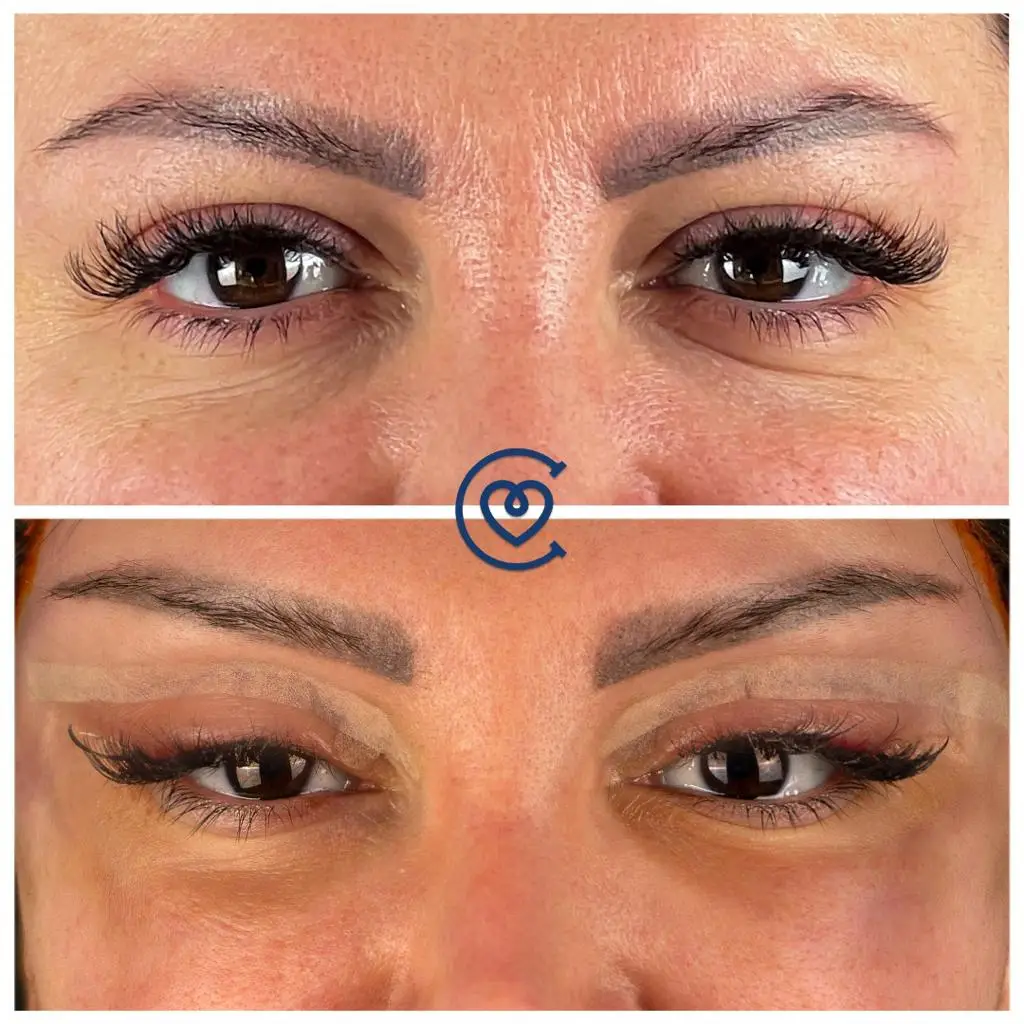
Strategic Incision Placement: Plastic surgeons make tiny, precise incisions hidden directly within the natural skin creases or folds at the outer corner of the eye (lateral canthus).
Natural Discoloration Fading: Because the skin around the eyes heals remarkably well due to exceptional local blood supply, fine incision lines fade rapidly over 2 to 3 months, blending seamlessly into your natural skin texture and becoming virtually undetectable to casual observers.
How Long Do Cat Eye Surgery Results Last?
Unlike non-surgical thread lifts that dissolve over time, a properly performed surgical canthoplasty offers permanent results:
Structural Anchoring: Because the surgeon physically repositions and anchors the tendon to the robust orbital bone, the new eye contour remains secure as you age.
Natural Aging Process: While your skin will continue to undergo normal, natural aging over the decades, the underlying structural almond shape and elevated lateral canthal angle established during surgery will remain intact.
Why International Patients Choose Turkey for Oculofacial Surgery
Turkey has earned its reputation as the global powerhouse for cosmetic surgery, attracting patients from the UK, Europe, and North America for several key reasons:
Oculofacial Expertise: Plastic surgeons in Istanbul and Antalya possess extensive specialized training in delicate periorbital anatomy, ensuring symmetrical, harmonious, and natural-looking results that avoid an over-pulled or “surprised” appearance.
All-Inclusive Medical Tourism Packages: Comprehensive packages cover your surgical fees, JCI-accredited hospital stays, luxury 5-star hotel accommodations, VIP private airport transfers, and dedicated bilingual medical hosts.
Preparing for Your Procedure: Consultation and Personalization
Achieving stunning, natural results begins with a thorough, personalized consultation. Whether conducted virtually via video link or in-person upon your arrival in Turkey, your surgeon will evaluate your eye shape, skin laxity, and bone structure.
During this session, communicate your aesthetic goals clearly. Your surgeon will determine whether a conservative canthopexy or a transformative canthoplasty best suits your facial harmony, ensuring you step out with confidence and undeniable elegance.
Domande Frequenti (FAQ) / Frequently Asked Questions
1. Is cat eye surgery painful?
The procedure is performed under local anesthesia with sedation or general anesthesia, meaning you will feel zero pain during the operation. Post-operative discomfort is mild and easily managed with standard prescribed analgesics.
2. Can cat eye surgery be combined with other procedures?
Yes! Many patients choose to combine canthoplasty with upper/lower blepharoplasty (eyelid surgery), a brow lift, or a facelift during the same medical trip to achieve total periorbital rejuvenation.
3. When can I wear eye makeup after cat eye surgery?
Patients are typically advised to avoid applying makeup, mascara, or skincare products directly on or near the incision sites for at least 10 to 14 days until sutures are removed and the skin surface seals completely.
4. Will my vision be affected after canthoplasty?
Your vision will not be permanently impaired. You may experience temporary blurry vision during the first few days due to post-operative eye drops, swelling, or ointments, but this resolves quickly as healing progresses.
5. How long must I stay in Turkey after the operation?
The recommended medical stay in Turkey is 5 to 7 days. This allows your surgical team to perform the initial procedure, monitor your healing during follow-up checks, remove sutures, and grant official “Fit to Fly” clearance before you return home.
6. How do I start planning my cat eye surgery in Turkey?
Getting started is simple. Send high-resolution photographs of your eyes and your medical history to an accredited clinic for a free online evaluation with an expert oculofacial plastic surgeon.
Cat Eye Surgery in Turkey: Recovery Timeline, Scars, and How Long Results Last
Cat eye surgery in Turkey is a cosmetic procedure designed to create a more lifted, elongated appearance around the outer corners of the eyes. Depending on the technique, it may involve adjusting the position of the outer eyelid or supporting structures. The most suitable approach depends on your eye anatomy, skin quality, and desired result.
Recovery varies from person to person. Swelling, bruising, and temporary tightness may occur during the first days or weeks, while the final appearance can take longer to settle. Small scars may be placed in discreet areas, but their visibility depends on the surgical technique and individual healing. Results can be long-lasting, although ageing and changes in the tissues may affect the appearance over time. Learn more from the American Society of Plastic Surgeons.
At Cayra Clinic, you can explore our aesthetic treatments in Turkey and receive information about the consultation process, treatment options, and aftercare.
Considering cat eye surgery? Contact Cayra Clinic to request a personalised assessment and learn what recovery, scarring, and realistic results may look like in your individual case.
