
Achieving a balanced, athletic, and well-proportioned lower body is a common fitness and aesthetic goal. However, regardless of how many hours are spent performing heavy calf raises or lower-body weight training at the gym, genetics, slender bone structures, or congenital conditions can make building noticeable lower leg mass exceptionally difficult. When diet and exercise fail to deliver the desired shape, cosmetic surgery provides reliable, transformative solutions.
When exploring lower leg augmentation, patients are typically met with two primary choices: solid silicone calf implants and autologous fat transfer (fat grafting). Each method offers unique advantages, surgical requirements, and longevity outcomes. As international medical tourism continues to flourish—with Turkey leading the world in advanced body contouring and plastic surgery—understanding these differences is essential. Let’s break down everything you need to know to choose the right procedure for your legs.
Understanding Calf Implants: The Permanent Structural Solution
Calf implants are designed to provide dramatic, predictable, and permanent volume enhancement to the lower extremities using specialized solid medical-grade silicone.
How the Procedure Works: A skilled plastic surgeon makes a discrete incision hidden within the natural crease behind the knee (popliteal crease). A precise pocket is then created either subfascial (beneath the tough outer membrane of the muscle) or intramuscularly, allowing the customized implant to rest securely over the gastrocnemius muscle.
Who It Is Built For: Calf implants are the gold standard for individuals with very thin legs, minimal body fat reserves, or significant muscle deficits resulting from past injuries, nerve conditions, or genetic predispositions. Because the implants are solid and structured, they deliver permanent, symmetrical, and well-defined contours that will never be reabsorbed by the body.
Understanding Fat Transfer (Fat Grafting): The Natural Approach
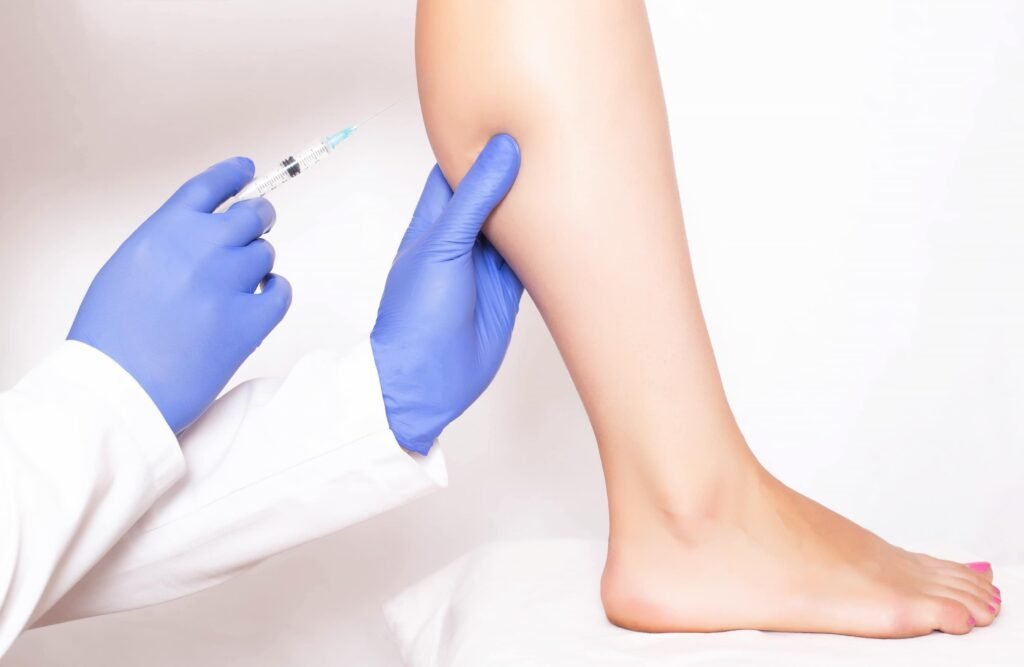
Calf fat transfer utilizes your body’s own harvested fat to subtly reshape, contour, and add moderate volume to the lower legs.
How the Procedure Works: The operation is performed in two synchronized steps. First, gentle liposuction is performed to harvest excess fat from donor areas such as the abdomen, flanks, or thighs. Second, this harvested fat is purified and meticulously injected in micro-droplets throughout different layers of the lower leg to build smooth, organic contours.
The Dual Benefit: Fat transfer offers a unique two-in-one advantage: body sculpting in a donor area combined with natural enhancement of the calves. Furthermore, because the material used is your own living tissue, there is zero risk of allergic reaction or implant rejection.
Tabular Comparison: Calf Implants vs. Calf Fat Transfer
To clearly evaluate how these two premier lower leg enhancement methods compare across clinical, surgical, and recovery parameters, review the structured table below:
The Recovery Timeline: What to Expect After Surgery
Navigating the healing process successfully requires understanding how each procedure impacts your lower limbs:
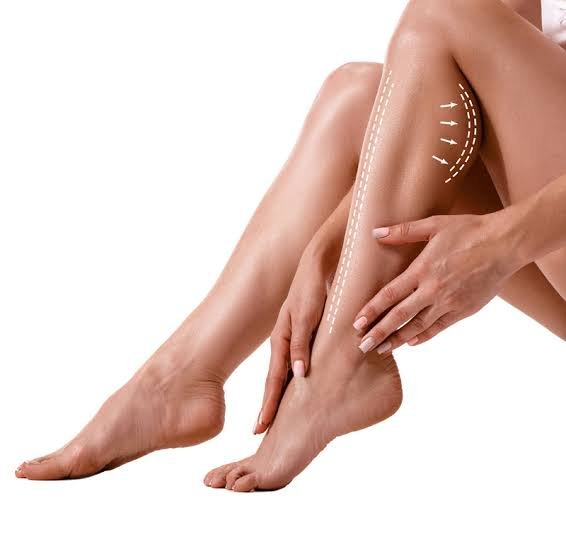
Calf Implants Recovery: Because incisions are made behind the knee and deeper tissues are accessed, initial tightness and stiffness when walking are normal during the first week. Compression stockings must be worn continuously. Most patients return to light desk work after 7 to 10 days, while high-impact exercise is restricted for 6 to 8 weeks.
Fat Transfer Recovery: Recovery involves healing in both the donor areas (where liposuction was performed) and the lower legs. Swelling and bruising are common in both zones. Compression garments must be worn over the donor sites to support skin retraction. While initial healing is smooth, patients must avoid prolonged sitting or direct pressure on newly transferred fat cells during the first 3 weeks to maximize graft survival.
Potential Risks, Limitations, and Complications
Every surgical procedure carries specific considerations that must be weighed carefully during your medical consultation:
Calf Implant Considerations: Potential risks include implant shifting, capsular contracture, or prolonged nerve sensitivity near the incision site. Choosing an elite board-certified surgeon minimizes these risks significantly.
Fat Transfer Considerations: The primary variable in fat grafting is resorption. Not all transferred fat cells survive the transition to their new blood supply; typically, 30% to 50% of the injected fat is naturally reabsorbed by the body during the first three months. If additional volume is desired, a secondary touch-up session may occasionally be required.
Why International Patients Choose Turkey for Lower Leg Contouring
When investing in body contouring procedures, patients increasingly seek out world-class medical tourism destinations that offer uncompromised surgical standards alongside exceptional financial value. Turkey has firmly established itself as the global capital for plastic surgery.
Accredited medical hubs in cities like Istanbul feature board-certified plastic surgeons specializing in advanced structural body enhancements, state-of-the-art JCI-accredited hospitals, and transparent all-inclusive packages. These packages cover every logistical detail—from your surgical fees and hospital stays to luxury 5-star hotel accommodations, VIP private airport transfers, and dedicated English-speaking medical hosts—ensuring a seamless, luxurious experience.
Making Your Final Decision: Anatomy Dictates the Choice
Ultimately, the choice between calf implants and fat transfer is not a matter of which procedure is universally “better,” but rather which procedure matches your unique anatomical canvas:
If you have a naturally slender frame, very low body fat, and desire a defined, sculpted, and permanent athletic calf curve, solid silicone calf implants are virtually always the superior choice.
If you possess stubborn localized fat deposits elsewhere on your body, desire a modest, softer enhancement, and have sufficient subcutaneous reserves, fat transfer offers an elegant, organic alternative.
Domande Frequenti (FAQ) / Frequently Asked Questions
1. Can I combine calf implants and fat transfer in the same surgery?
Yes! In advanced plastic surgery, hybrid procedures are sometimes performed. For example, a solid implant can provide structural core volume, while strategic micro-fat grafting is layered around the edges for ultimate contour smoothness.
2. Will fat transfer to my calves melt away if I lose weight?
The fat cells that successfully establish a blood supply and survive the transfer process behave just like normal fat cells anywhere else on your body. Minor weight fluctuations won’t destroy them, but extreme weight loss or gain can alter your overall leg volume.
3. Do calf implants look and feel fake?
Not when performed by an expert surgeon. High-quality solid silicone implants are engineered to mimic the firm, natural texture of well-conditioned muscle, resting securely beneath the muscle fascia so they look and feel entirely authentic.
4. How long do I have to wear compression garments after surgery?
For calf implants, compression stockings are typically required for 3 to 4 weeks to control swelling. For fat transfer, compression garments must be worn continuously on the liposuction donor areas for 4 to 6 weeks to ensure smooth skin retraction.
5. Can I exercise or run after getting calf augmentation?
Strenuous exercise, running, and heavy leg lifting must be strictly avoided for at least 6 to 8 weeks following either procedure to allow tissues to heal and implants or fat grafts to stabilize permanently.
6. How do I start planning my lower leg procedure in Turkey?
Begin by sending high-resolution photographs of your lower legs and your medical history to an accredited clinic for a free online evaluation with an expert plastic surgeon.
Calf Implants vs Fat Transfer: Choose the Right Option for Your Legs
Want to improve the shape and definition of your calves? Calf implants and fat transfer are two different approaches to enhancing lower-leg volume. Calf implants use specially designed implants to create more defined contours, while fat transfer uses fat taken from another area of your body to add volume where needed.
The right option depends on your anatomy, available donor fat, desired level of definition and overall health. Implants may provide more predictable volume, whereas some transferred fat may be reabsorbed by the body. Both procedures have potential risks and require an individual assessment by a qualified plastic surgeon. Learn more about cosmetic surgery from the American Society of Plastic Surgeons.
At Cayra Clinic, you can explore aesthetic treatments in Turkey and request information about procedures suited to your goals. You can also discover our services for hair transplantation and dental treatments.
Ready to explore your options for better-defined calves? Contact Cayra Clinic to learn more about calf enhancement procedures and discuss a personalised treatment plan.
