
For many women, having large breasts is often idealized in popular culture, but for those suffering from medically diagnosed macromastia, heavy breasts are a daily physical burden. The excessive weight of overly large breasts frequently pulls the spine out of alignment, resulting in chronic, debilitating back pain, persistent neck stiffness, deep shoulder indentations caused by bra straps, nerve impingement (such as tingling in the arms), and chronic posture-induced headaches. When physical therapy, chiropractic adjustments, and supportive garments fail to alleviate these symptoms, surgical reduction becomes the most effective long-term medical solution.
When patients seek world-class surgical expertise, advanced safety standards, and extraordinary financial value to resolve their discomfort, Turkey—and Istanbul in particular—stands out as the premier global destination for breast reduction surgery (reduction mammaplasty). Let’s examine who makes a realistic candidate, how modern surgical techniques manage scarring, what the recovery timeline looks like, and why Turkey is the leading choice for this transformative procedure.
Understanding Macromastia: How Heavy Breasts Cause Chronic Pain
To understand why a breast reduction provides instant orthopedic relief, it helps to analyze how excessive breast weight alters musculoskeletal mechanics:
The Pull of Gravity and Spinal Misalignment: Large breast tissue exerts constant anterior (forward) pull on the chest wall. To counterbalance this weight, upper back muscles must work overtime, forcing the shoulders to slouch forward, rounding the thoracic spine and straining the cervical vertebrae in the neck.
Nerve Compression and Physical Limitations: Beyond muscular fatigue, the constant downward pressure of heavy bra straps can compress the brachial plexus nerves running across the shoulders, causing numbness, tingling, and weakness in the arms and hands. Furthermore, macromastia restricts active lifestyles, making exercise painful and aggravating joint wear and tear.
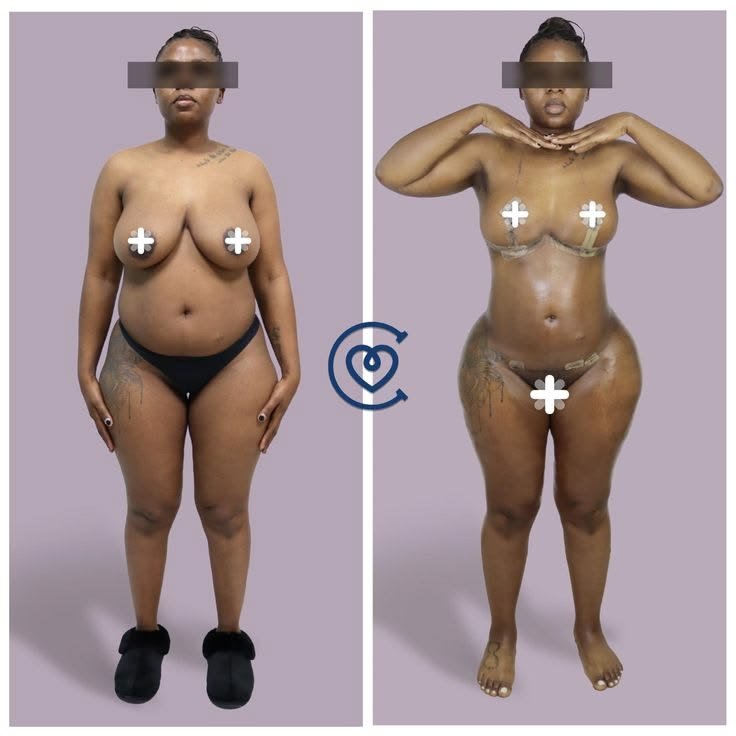
Candidacy Criteria: Who Is an Ideal Candidate for Breast Reduction?
Determining whether you qualify for reduction mammaplasty involves evaluating both physical symptoms and anatomical structure:
Physical Symptom Threshold: Ideal candidates experience persistent physical discomfort that interferes with daily life, including chronic back, neck, and shoulder pain unresponsive to conservative treatments, persistent shoulder groove indentations, or skin rashes and fungal infections in the inframammary fold (under-breast crease).
Proportional Disproportion: Candidates feel that their breasts are disproportionately large relative to their overall body frame, causing self-consciousness or difficulty finding properly fitting clothing. Surgeons also evaluate skin elasticity and overall health to ensure smooth wound healing under general anesthesia.
The Surgical Technique: Reshaping and Relieving Spinal Pressure
During a reduction mammaplasty, the expert plastic surgeon removes excess glandular tissue, fat, and skin, while simultaneously lifting and repositioning the nipple-areola complex to create a lighter, lifted, and proportionally balanced breast:
Preserving Blood Supply and Sensation: Advanced surgical techniques utilize superior or vertical pedicles to ensure that the blood vessels and nerves feeding the nipple remain securely attached, preserving normal sensation and future breastfeeding capability whenever anatomically possible.
Immediate Orthopedic Relief: Patients frequently report an instantaneous sensation of weightlessness and relief across their upper back and shoulders the moment they wake up from surgery, as pounds of excessive weight are permanently removed from the chest wall.
Tabular Comparison: Traditional Reduction vs. Modern Advanced Techniques
To evaluate how modern reduction mammaplasty compares to older surgical approaches in terms of scarring and recovery, review the structured table below:
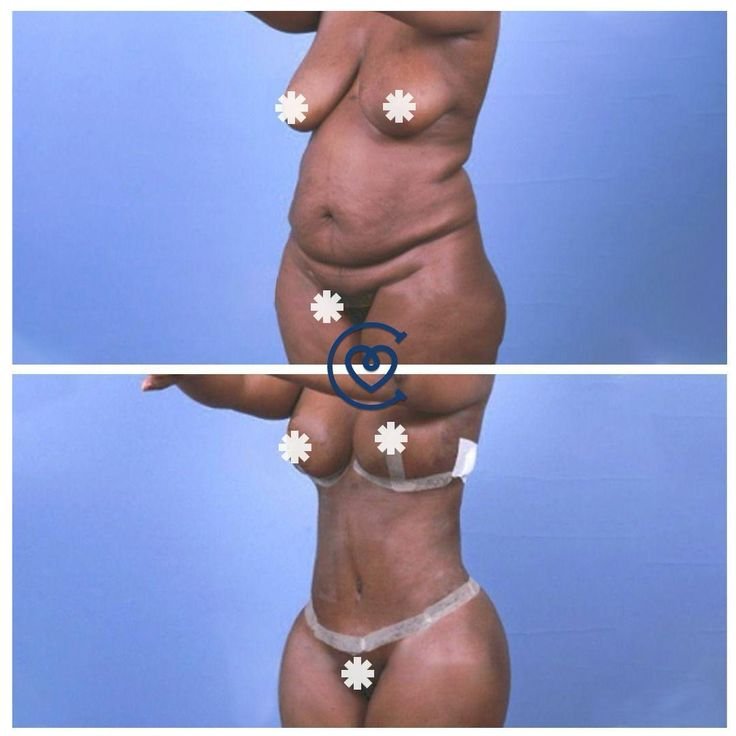
Managing Scars: What to Expect and How They Fade
A common concern for patients considering breast reduction is the resulting scarring. Because skin must be removed to reshape the breast, incisions are a medical necessity:
Strategic Placement: Skilled plastic surgeons in Turkey place incisions meticulously within natural anatomical creases and around the pigmented border of the areola to ensure they are easily concealed by standard bras and swimwear.
The Maturation Timeline: Following surgery, scars typically appear pink and slightly raised during the first few months. As collagen remodels over 12 to 18 months, these marks fade significantly, flattening out and blending into a pale, thin, inconspicuous line that patients find a very small trade-off for eliminating chronic spinal pain.
Why International Patients Choose Turkey for Breast Reduction
When seeking transformative relief from back pain combined with meticulous cosmetic artistry, patients worldwide choose Turkey for undeniable clinical advantages:
Mastery in Aesthetic Reconstruction: Turkish plastic surgeons possess extensive experience in breast reduction and body contouring, balancing precise structural weight removal with beautiful, symmetrical aesthetic shaping.
All-Inclusive Medical Tourism Value: Comprehensive packages cover your surgical fees, JCI-accredited hospital stays, luxury 5-star hotel accommodations, VIP private airport transfers, and personal medical hosts, delivering 50% to 70% savings compared to Western healthcare systems.
Recovery Timeline and Returning to Normal Activities
Understanding the recovery process ensures you can plan your time off work and travel arrangements effectively:
The Initial Days in Turkey: Most patients stay in Turkey for 7 to 9 days post-surgery to allow for initial checkups, drain removal (if utilized), and final medical clearance (Fit to Fly).
Post-Operative Restrictions: You will wear a supportive surgical compression bra day and night for 4 to 6 weeks to minimize swelling. Desk work can typically be resumed after 7 to 10 days, while heavy lifting, strenuous upper-body exercise, and high-impact sports must be avoided for 6 weeks to ensure pristine scar healing.
Domande Frequenti (FAQ) / Frequently Asked Questions
1. Will a breast reduction completely cure my back and neck pain?
Yes. For the vast majority of women suffering from macromastia, removing the excessive anterior weight provides immediate and permanent relief from chronic back, neck, and shoulder strain, often eliminating the need for daily pain medications.
2. Can I breastfeed in the future after a breast reduction in Turkey?
Many modern reduction techniques preserve the milk ducts and nerve pathways connected to the nipple. While future breastfeeding is often possible, your ability to nurse depends on the specific surgical technique required for your anatomy. Discuss this with your surgeon during your consultation.
3. How long do I need to stay in Turkey for a breast reduction procedure?
A comfortable medical stay of 7 to 9 days is strongly recommended. This provides adequate time for your initial pre-operative consultation, surgery, hospital recovery, follow-up examinations, and official medical clearance before your return flight.
4. Will my insurance cover breast reduction surgery in Turkey?
Elective plastic surgery performed abroad is rarely covered by standard domestic health insurance policies. However, Turkish clinics offer all-inclusive packages that make high-end surgical care remarkably accessible and affordable.
5. When can I resume exercising after my breast reduction?
Light walking is encouraged immediately after surgery to promote circulation. However, strenuous gym workouts, running, weightlifting, and any high-impact movements should be postponed for 6 weeks to protect internal healing tissues.
6. How do I start planning my breast reduction journey in Turkey?
Getting started is simple. Send high-resolution photographs of your chest from multiple angles along with your medical history to an accredited clinic in Turkey for a free online evaluation with an expert plastic surgeon.

Breast Reduction in Turkey: Relieve Back and Neck Discomfort and Feel More Comfortable
ing with overly large breasts can affect more than your appearance. The extra weight may contribute to back, neck and shoulder discomfort, skin irritation, and difficulty exercising or finding comfortable clothing. Breast reduction in Turkey may be an option for people whose breast size causes physical discomfort or affects their quality of life.
Who Is a Good Candidate for Breast Reduction?
You may be a suitable candidate if you experience persistent discomfort, shoulder grooves from bra straps, recurring skin irritation beneath the breasts, or limitations during everyday activities. Your surgeon will assess your medical history, breast size, skin quality, general health and expectations. Breast reduction may help relieve symptoms, although the degree of improvement varies from person to person.
Scars and Recovery: What Should You Expect?
Breast reduction involves removing excess breast tissue, fat and skin while reshaping the breasts. Depending on the technique and the amount of reduction needed, scars may form around the areola, vertically down the breast, and sometimes along the breast crease. Scars usually fade over time but do not disappear completely.
Recovery varies, and swelling, bruising and temporary discomfort are common. You will need to follow your surgeon’s instructions regarding wound care, supportive bras, physical activity and follow-up appointments. The timing of your return to work, exercise and travel should be confirmed with your medical team.
For further information, visit the American Society of Plastic Surgeons’ breast reduction guide.
At Cayra Clinic, you can explore our aesthetic treatments in Turkey and learn about the options available for your needs.
Ready to take the next step towards greater comfort? Contact Cayra Clinic for a personalised consultation and discuss whether breast reduction may be appropriate for you.
