
In vitro fertilization (IVF) is one of the most advanced and effective fertility treatments available today. It helps individuals and couples struggling with infertility to conceive a child. This procedure involves fertilizing an egg outside the body in a laboratory setting and then implanting the embryo into the uterus.
With technological advancements, IVF success rates have significantly improved, making it a popular choice for those facing reproductive challenges.
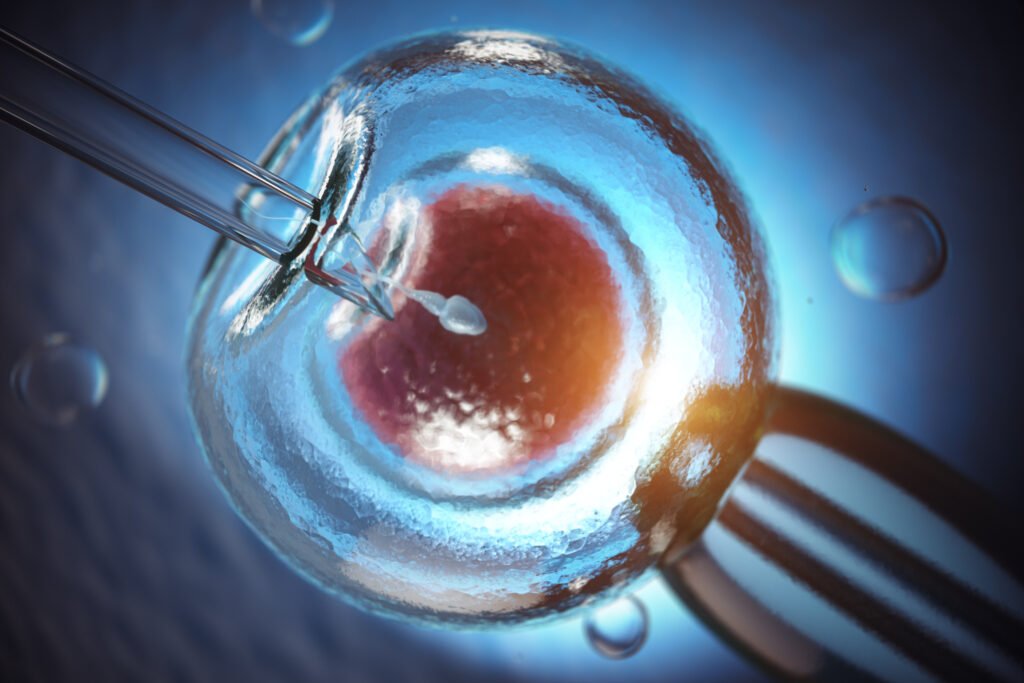
What Is IVF Treatment?
IVF treatment is a form of assisted reproductive technology (ART) designed to help patients conceive when natural methods are not effective. The process allows fertility specialists to carefully control fertilization, embryo development, and implantation to maximize the chances of pregnancy.
This treatment is commonly recommended for both medical and non-medical fertility concerns and can be customized based on individual needs.
Why Do People Choose IVF?
There are several reasons why couples or individuals opt for IVF treatment, including:
- Infertility issues due to blocked fallopian tubes, low sperm count, or ovulation disorders
- Age-related infertility for women over 35
- Genetic disorders requiring preimplantation genetic testing
- Same-sex couples or single individuals who need IVF with donor eggs or IVF with donor sperm
- Unsuccessful attempts with other fertility treatments
IVF Treatment Process: Step-by-Step
1. Initial Consultation
A fertility specialist reviews medical history, performs diagnostic tests, and creates a personalized treatment plan.
2. Ovarian Stimulation
Fertility medications are used to stimulate the ovaries to produce multiple mature eggs.
3. Egg Retrieval
Eggs are collected using a minimally invasive procedure performed under light anesthesia.
4. Fertilization
Eggs are fertilized in the laboratory using conventional methods or ICSI (Intracytoplasmic Sperm Injection).
5. Embryo Development
Fertilized eggs are monitored as they develop into embryos over several days.
6. Embryo Transfer
One or more healthy embryos are carefully transferred into the uterus.
7. Pregnancy Test
A blood test is performed approximately two weeks later to confirm pregnancy.

Types of IVF Techniques
1. Traditional IVF
This is the standard IVF procedure where eggs and sperm are combined in a lab and monitored for fertilization.
2. ICSI (Intracytoplasmic Sperm Injection)
A single sperm is directly injected into an egg to increase fertilization chances, particularly for male infertility treatment.
3. Natural Cycle IVF
A gentler approach that does not use ovarian stimulation drugs, making it suitable for women who prefer minimal intervention.
4. Mini IVF
Uses lower doses of medication while still increasing the number of eggs retrieved.
5. Frozen Embryo Transfer (FET)
Embryos from a previous cycle are thawed and transferred into the uterus at a later date.
6. IVF with Donor Eggs or Sperm
Ideal for individuals with fertility issues that prevent them from using their own eggs or sperm.
Success Rates of IVF Treatment
The success of IVF treatment depends on several factors:
- Age: Women under 35 have higher success rates.
- Egg and sperm quality
- Underlying health conditions
- Clinic and doctor expertise
| Age Group | Success Rate (%) |
| Under 35 | 50-60% |
| 35-40 | 35-45% |
| Over 40 | 15-25% |
IVF Treatment Cost
The cost of IVF treatment varies across countries:
| Country | IVF Cost (USD) |
| USA | $12,000 – $20,000 |
| UK | $8,000 – $15,000 |
| Turkey | $3,000 – $6,000 |
| India | $2,500 – $5,000 |
Turkey offers affordable IVF treatment with high-quality medical care, making it a popular destination for international patients.
Risks and Side Effects of IVF Treatment
While IVF treatment is generally safe, some potential risks include:
- Multiple pregnancies, increasing the risk of premature birth
- Ovarian hyperstimulation syndrome (OHSS) from fertility drugs
- Ectopic pregnancy, where the embryo implants outside the uterus
- Emotional and financial stress due to repeated cycles

Who Is a Good Candidate for IVF Treatment?
IVF treatment may be suitable if you:
Have been unable to conceive naturally
Have known fertility-related medical conditions
Are over 35 and experiencing age-related infertility
Require genetic testing of embryos
Are part of a same-sex couple or planning parenthood as a single individual
A fertility consultation is essential to determine suitability.
Why Choose Cayra Clinic for IVF Treatment in Turkey?
At Cayra Clinic, we offer state-of-the-art fertility treatments with:
- Experienced IVF specialists
- Advanced laboratory techniques, including blastocyst transfer and assisted hatching
- Personalized care plans tailored to each patient
- Affordable IVF cost without compromising on quality
- Comprehensive support, including fertility counseling and legal assistance.
To learn more about our clinic and approach to IVF Treatment, visit our About Us page and for booking an appointment or specific details regarding our services, you can always contact us through the Contact Us page. We also invite you to explore our Reviews to hear from our satisfied patients about their transformative experiences.
