
Overcoming stubborn overweight or Class I obesity (typically defined as a Body Mass Index between 27 and 35) can feel like an uphill battle. For individuals within this BMI range, traditional dieting and fitness routines often hit a plateau, yet their BMI is not high enough to qualify for permanent, invasive bariatric surgeries like a Sleeve Gastrectomy or Gastric Bypass. Fortunately, modern metabolic medicine offers highly effective, non-surgical intervention pathways designed specifically to bridge this gap.
Two of the most prominent non-surgical weight loss treatments globally are GLP-1 receptor agonist injections (such as Ozempic/Wegovy) and Gastric Balloons (both endoscopic and swallowable Allurion capsule options). When patients seek world-class medical supervision, access to certified metabolic therapies, and affordable all-inclusive medical travel packages, Turkey—and Istanbul in particular—stands as a premier international hub. Let’s analyze how these two modalities work, their expected weight loss percentages, side-effect profiles, lifestyle impacts, and cost dynamics.
Understanding the BMI 27–35 Category: Why Non-Surgical Solutions Work Best
A BMI ranging from 27 to 35 represents a critical threshold in metabolic health management:
The Overweight to Class I Obesity Spectrum: Individuals in this range often struggle with visceral fat accumulation, early insulin resistance, mild hypertension, and joint strain. However, because their anatomical risk profile does not warrant permanent stomach resection, non-surgical options offer an ideal therapeutic window.
Reversible, Retraining Interventions: Both Ozempic and Gastric Balloons act as temporary metabolic “training wheels.” They reduce gastric capacity or delay stomach emptying, allowing patients to reset their portion control habits, curb chronic cravings, and establish sustainable long-term lifestyle changes without altering their gastrointestinal anatomy permanently.
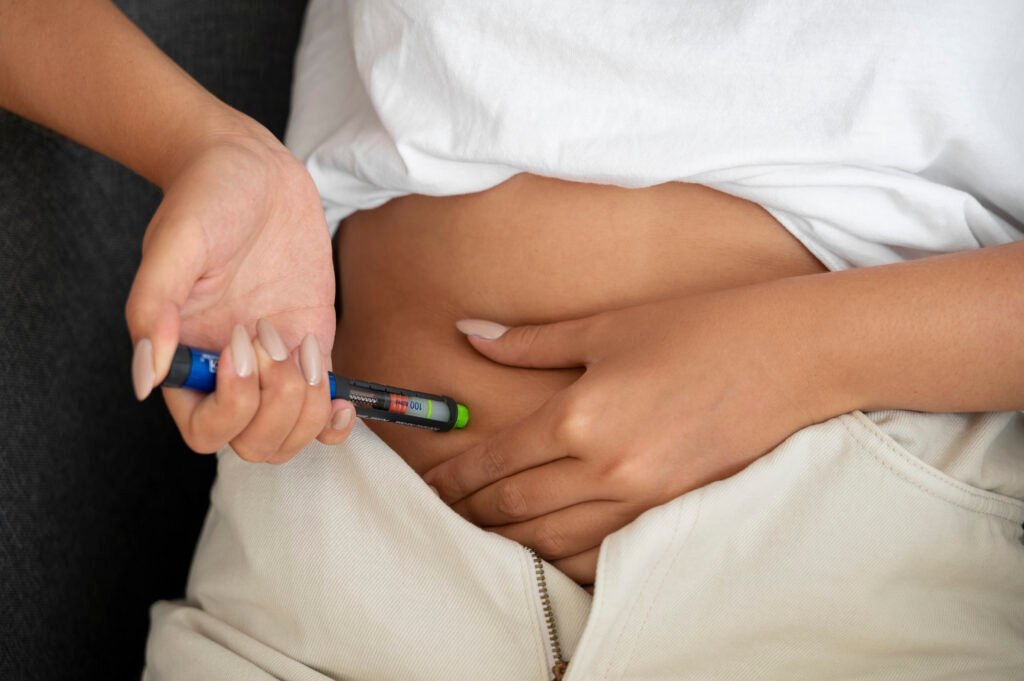
How Ozempic (GLP-1 Injections) Works: Mechanism, Timeline, and Maintenance
Ozempic (semaglutide) is a once-weekly subcutaneous injection that mimics the naturally occurring GLP-1 (glucagon-like peptide-1) hormone:
Delayed Gastric Emptying and Appetite Suppression: By binding to GLP-1 receptors in the brain and digestive tract, semaglutide slows down the rate at which the stomach empties food into the small intestine. This creates a prolonged feeling of fullness (satiety) after small meals and significantly dampens brain-driven food cravings (“food noise”).
Treatment Duration and Continuation: Ozempic requires weekly self-injections over a recommended timeframe of 6 to 12 months (or longer). Because weight can be regained once the medication is stopped, long-term success depends heavily on adopting permanent dietary shifts during the active treatment period.
Tabular Comparison: Medical Mechanism, Efficacy, and Protocol
To evaluate the core clinical differences between Ozempic and Gastric Balloons, consult the comparison table below:
How Gastric Balloons Work: Endoscopic vs. Swallowable Allurion Capsule
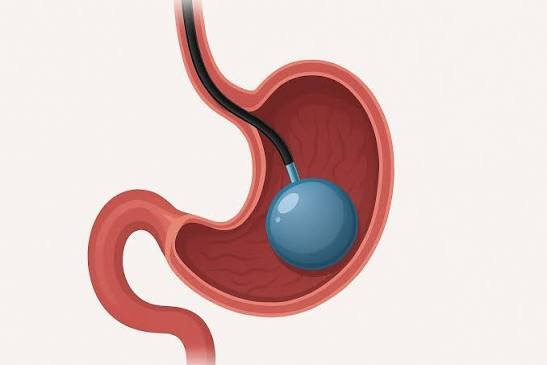
A Gastric Balloon is a soft, durable medical-grade silicone or polymer balloon filled with sterile saline solution that occupies approximately 500–550 cc of stomach volume:
The Swallowable Allurion Balloon: Requires no endoscopy or anesthesia. The patient swallows a small capsule containing the deflated balloon attached to a thin catheter. Once an X-ray confirms its position in the stomach, it is filled with 550 ml of fluid. After approximately 16 weeks, a smart valve opens automatically, and the balloon deflates and passes naturally through the digestive tract.
The 6 or 12-Month Endoscopic Balloon: Placed and removed via a quick, 15-minute endoscopic procedure under light twilight sedation. It provides a longer duration of gastric volume reduction, making it suitable for patients needing extended structural restriction.
Tabular Comparison: Cost and Package Value in the UK/Europe vs. Turkey
For international patients evaluating the financial and logistical benefits of traveling to Turkey, review the pricing comparison below:
Side Effects and Tolerance: What to Expect with Each Option
Understanding the potential side effects helps patients choose the option best suited to their daily routine:
Ozempic Side Effects: Commonly includes mild to moderate nausea, constipation, diarrhea, transient fatigue, or reflux, particularly during the initial dose-escalation phase. These symptoms generally taper off as the body adapts to the peptide.
Gastric Balloon Side Effects: The first 3 to 5 days after placement involve an adaptation phase where the stomach attempts to digest the balloon, causing cramping, nausea, and vomiting. Physicians prescribe anti-nausea and anti-spasmodic medications to ensure comfort until the stomach settles. After day 5, daily life feels normal and comfortable.
Making the Choice: Which Option Is Right for Your Lifestyle?
Choosing between Ozempic and a Gastric Balloon depends on your personal habits, timeline, and psychological relationship with food:
Choose Ozempic If: You struggle primarily with intense mental food cravings (“food noise”), prefer a gradual non-procedural approach, are willing to maintain a weekly injection routine, and want a flexible treatment timeline.
Choose a Gastric Balloon If: You prefer a defined, time-limited program (e.g., 4 to 6 months) with a clear end-date, want a physical boundary to enforce portion control, prefer to avoid ongoing pharmaceutical medications, and want the motivation of rapid initial weight loss.
Frequently Asked Questions (FAQ)
1. Is a BMI of 27 high enough to get a Gastric Balloon or Ozempic in Turkey?
Yes. A BMI of 27 to 35 is considered the ideal sweet spot for non-surgical weight loss interventions. Both GLP-1 therapies and Gastric Balloons are FDA/CE-approved for individuals in this BMI category who have been unable to lose weight through diet alone.
2. Can I combine Ozempic and a Gastric Balloon?
While not typically necessary for an initial weight loss plan, some clinical protocols utilize GLP-1 injections following balloon removal to prevent weight regain or to assist patients who hit a plateau during their weight loss journey. Your bariatric physician in Turkey will tailor the safest plan.
3. How long do I need to stay in Turkey for a Gastric Balloon placement?
For a swallowable Allurion Balloon or a 6-month endoscopic balloon, a short stay of 2 to 3 days in Turkey is sufficient. This allows time for pre-procedure bloodwork and ultrasounds, the 15-minute placement, medical observation, and a comprehensive consultation with a bariatric dietitian before flying home.
4. Will I regain the weight after the Gastric Balloon is removed or after stopping Ozempic?
Weight maintenance depends on habit formation. Both treatments act as tools to help you build smaller portion habits and healthier eating patterns. Turkey’s all-inclusive medical packages include 12 months of follow-up care with a bariatric nutritionist to ensure your weight loss remains permanent.
5. Does placement of the Allurion Gastric Balloon hurt?
No. The Allurion Balloon requires no endoscopy, surgery, or anesthesia. You simply swallow a small capsule with a glass of water under medical supervision. An X-ray confirms correct placement in the stomach before it is filled with fluid via a thin tube, which is then gently detached.
6. How do I get evaluated for non-surgical weight loss in Turkey?
Getting started is simple and confidential. Share your current height, weight, medical history, and weight loss goals with an accredited clinic in Turkey. A bariatric specialist will calculate your BMI and recommend the most effective non-surgical treatment plan for you.

Ozempic or Gastric Balloon in Turkey? Find the Right Weight Loss Option
Choosing between Ozempic and a gastric balloon in Turkey depends on your BMI, medical history and weight loss goals. Ozempic (semaglutide) is a prescription medicine primarily used to treat type 2 diabetes, while a gastric balloon is a temporary device placed in the stomach to help limit food intake.
For a BMI of 27–35, eligibility varies according to the treatment, local regulations and any weight-related health conditions. Neither option is suitable for everyone, and both require medical supervision alongside sustainable lifestyle changes.
Explore medical treatments in Turkey with Cayra Clinic and read the NHS guide to obesity treatment.
Want to explore your options? Contact Cayra Clinic for a personalised assessment and discuss the potential benefits and risks with a qualified medical professional.
