
Facial hair has long been a powerful symbol of masculinity, maturity, and personal style. Whether shaped into a classic handlebar, a sharp chevron, or a dense, even stubble line, a well-defined moustache frames the face and enhances individual expression. However, many men struggle with patchy beard growth, genetic thinning, scarring from acne or trauma, or an inability to grow dense facial hair due to hormonal variations. Fortunately, advanced facial hair restoration has revolutionized aesthetic medicine, offering a permanent, natural solution.
When men worldwide look for elite expertise, artistic precision, and exceptional value in facial restoration, Turkey—and Istanbul in particular—stands out as the undisputed global capital of hair and beard transplants. A frequent and critical question for anyone considering this procedure is: How many grafts do I actually need to achieve a full, natural-looking moustache without any patchy spots? Let’s analyze graft distribution, FUE techniques, healing timelines, and why Turkey is the premier destination for facial hair restoration.
Understanding Facial Hair Anatomy and Why Moustaches Thin Out
To appreciate how a moustache transplant works, it is essential to examine the unique anatomical characteristics of facial hair compared to scalp hair:
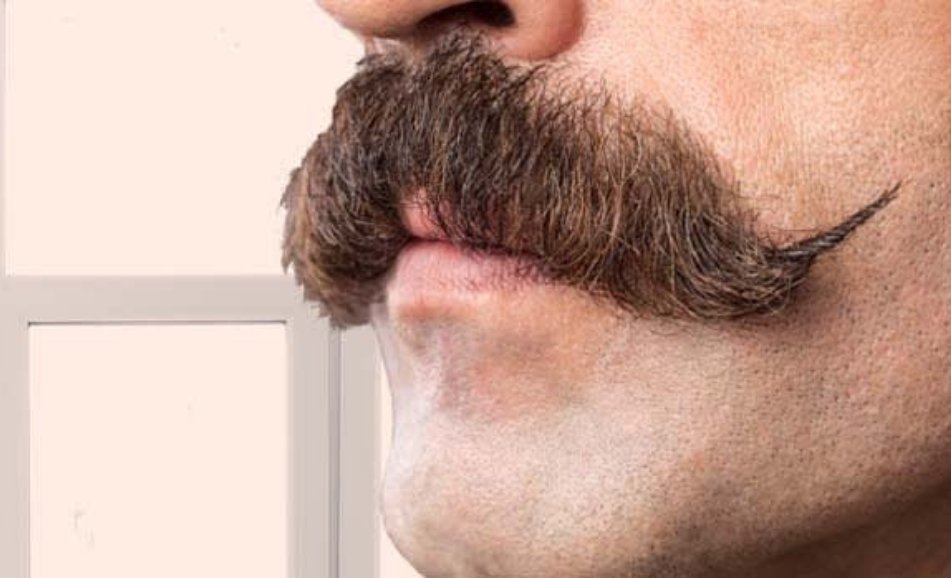
Single-Hair Follicular Units: Unlike scalp hair, which often grows in natural groupings of two, three, or four hairs per follicle, facial hair—especially on the upper lip—primarily consists of single-hair follicular units. This fine anatomical detail is vital for recreating a soft, realistic hairline along the upper lip border without an unnatural “pluggy” appearance.
Direction and Angle of Growth: Facial hair grows at very acute, flat angles as it emerges from the skin, particularly near the philtrum (the vertical groove between the nose and lip) and the corners of the mouth. An expert surgeon must meticulously match these delicate exit angles to ensure the transplanted hairs blend seamlessly with your existing facial hair.
Graft Count Breakdown: How Many Grafts Do You Need?
The number of grafts required for a moustache transplant varies significantly depending on your starting baseline, desired density, and the specific areas needing coverage:
Patchy Spot Correction or Partial Fill (300 to 500 Grafts): If you already possess a decent natural moustache but want to fill in small scars, minor gaps under the nose, or slight asymmetries at the edges, a conservative touch-up requires a lower graft count.
Standard Full Moustache Restoration (600 to 900 Grafts): For patients looking to build a complete, well-defined moustache from scratch or drastically increase density across the entire upper lip area, surgeons typically harvest between 600 and 900 individual single-hair grafts to ensure solid, overlapping coverage.
Extended Goatee or Full Beard Integration (1,000 to 1,500+ Grafts): If your goal extends beyond the upper lip to connect the moustache with the soul patch, chin, and cheeks in a continuous goatee or full beard framework, the graft requirement scales upward accordingly.
The Extraction Phase: Choosing the Right Donor Area
Harvesting hair for facial restoration requires specialized techniques to protect both the donor site and the quality of the harvested follicles:
The Scalp Donor Site: Typically, hair is safely extracted from the back of the scalp (the occipital region) using advanced micro-FUE (Follicular Unit Extraction) techniques with ultra-fine punches (0.6mm to 0.7mm).
Selecting Fine Single Hairs: Because the upper lip requires delicate single-hair units to mimic natural facial hair, surgeons carefully select finer hairs from the lower nape of the neck or behind the ears rather than coarse scalp hairs, ensuring a soft, authentic texture that matches your natural facial hair architecture.
Tabular Comparison: Moustache Transplant vs. Scalp Hair Restoration
To highlight the specialized clinical and technical differences between facial hair implants and traditional scalp procedures, review the structured table below:
The Implantation Procedure: Precision and Artistic Mastery
Executing a moustache transplant is as much an art form as it is a surgical procedure:
Micro-Incisions: Using specialized sapphire blades or fine needles, the surgeon creates microscopic slits that follow the exact direction of your natural hair growth, ensuring the hairs lie flat against the skin rather than sticking outward.
Minimizing Trauma: The procedure is performed under local anesthesia, ensuring zero pain. Each graft is handled with extreme care and placed promptly into the recipient sites to maximize follicle survival rates and promote rapid healing.
Why International Patients Choose Turkey for Facial Hair Restoration
When investing in facial aesthetics, patients from around the globe consistently select Turkey for several undeniable clinical advantages:
World-Renowned Facial Surgeons: Turkish clinics feature pioneering specialists with immense experience in intricate facial hair architecture, beard reconstruction, and high-density FUE implantation.
All-Inclusive Medical Tourism Value: Comprehensive packages cover your surgical procedures, specialized medical evaluations, luxury 5-star hotel accommodations, VIP private airport transfers, and personal translation hosts, delivering elite care at 50% to 70% savings compared to Western countries.
Recovery Timeline and What to Expect After Your Procedure
Knowing what happens after your procedure ensures a smooth healing process and optimal long-term results:
The First Week: Tiny micro-scabs will form around each transplanted hair on the upper lip. These natural scabs typically flake off completely by day 7 to 10.
The Shock Loss Phase: Around week 2 to 4, the transplanted hairs will temporarily shed. This is a completely normal biological part of the hair growth cycle; the underlying root remains firmly embedded and will sprout permanent new hair starting around month 3. Full, dense, mature moustache results are visible at 9 to 12 months.
Domande Frequenti (FAQ) / Frequently Asked Questions
1. Will the transplanted moustache hair grow like normal facial hair?
Yes. Because the hair follicles are relocated from the scalp to the upper lip, they retain their original biological characteristics. This means the transplanted hairs will grow continuously and must be trimmed, shaved, and styled just like a natural beard.
2. Can I shave my new moustache after the transplant?
You must avoid shaving or touching the recipient area aggressively during the first 2 to 3 weeks post-surgery. Once the roots are fully anchored (usually after one month), you can gently trim or shave your moustache using an electric trimmer or razor.
3. Does a moustache transplant leave visible scars?
In the donor area on the scalp, micro-FUE extraction leaves tiny, virtually invisible dot scars scattered discreetly among your remaining hair. On the upper lip, the micro-incisions heal cleanly without noticeable scarring.
4. How long do I need to stay in Turkey for a moustache transplant?
Because a moustache transplant requires a relatively low graft count, the surgical procedure takes only a few hours. A comfortable medical stay of 3 to 4 days in Turkey is more than sufficient for the operation, initial washes, and final medical clearance.
5. Can a moustache transplant fix acne scars on the upper lip?
Yes. Transplanting hair follicles directly into pitted or smooth acne scars on the upper lip is one of the most effective ways to camouflage facial scars and restore a uniform, natural appearance.
6. How do I start planning my moustache transplant in Turkey?
Getting started is simple. Send high-resolution photographs of your upper lip and beard area from multiple angles to an accredited clinic in Turkey for a free online evaluation and personalized graft estimate.
Moustache Transplant in Turkey: Achieve a Fuller, Natural-Looking Moustache
Do you dream of a thicker, more defined moustache? A moustache transplant in Turkey can help improve facial hair density, fill sparse areas, and create a moustache that complements your facial features. Whether you have naturally thin growth, uneven patches, or scars affecting hair growth, a personalised treatment plan can help you explore suitable options.
How Many Grafts Do You Need?
The number of grafts depends on your existing facial hair, the size of the areas requiring coverage, your desired density, and the availability of healthy donor hair. Some patients need only a small number of grafts to fill gaps, while others may require more extensive coverage for a fuller appearance. The final number should be determined during an individual assessment rather than estimated from a standard figure alone.
What Makes a Natural-Looking Result?
A successful moustache transplant requires careful attention to hair direction, angle, distribution, and facial symmetry. Techniques such as FUE may be considered depending on your needs. Transplanted hairs generally shed during the early healing period before new growth develops gradually over the following months. Results vary, and additional treatment may sometimes be needed.
At Cayra Clinic, you can explore our hair transplantation treatments in Turkey and receive information tailored to your goals. For independent guidance on hair transplantation, visit the NHS hair transplant information page.
Ready to enhance your moustache? Contact Cayra Clinic to discuss your expectations, share clear facial photos for an initial assessment, and learn which options may be suitable for you.
