
Joint pain, stiffness, and chronic cartilage degeneration can profoundly diminish your quality of life, transforming simple daily activities like walking down stairs, gardening, or enjoying a weekend stroll into painful ordeals. For decades, traditional medical approaches for advanced knee osteoarthritis and sports injuries offered a frustrating trajectory: temporary relief via anti-inflammatory medications, cortisone injections, physical therapy, and ultimately, invasive joint replacement surgery. However, the rapid evolution of regenerative medicine and orthobiologics has opened an exciting new frontier, offering biological repair options that harness the body’s own healing powers.
When patients seek advanced, cutting-edge regenerative treatments combined with world-class medical expertise and remarkable value, Turkey has emerged as the global powerhouse for stem cell therapy. Yet, amid the rising popularity of regenerative orthopedics, a crucial clinical question remains: Who is actually a realistic candidate for knee stem cell therapy, and who is better suited for traditional interventions? Let’s explore the science, realistic expectations, candidate criteria, and why Turkey is the preferred destination for joint restoration.
The Science of Joint Regeneration: How Stem Cells Treat Knee Pain
To understand whether you qualify for regenerative treatment, it is important to examine how mesenchymal stem cells (MSCs) and orthobiologics interact with damaged joint environments:
The Source of Regenerative Cells: In advanced orthopedic clinics, stem cells are typically harvested from the patient’s own body—most commonly via a quick, minimally invasive aspiration of adipose (fat) tissue or bone marrow. These harvested samples are rich in mesenchymal stem cells, growth factors, and healing cytokines.
Anti-Inflammatory and Immunomodulatory Power: Once precisely injected into the arthritic or injured knee under ultrasound or fluoroscopic guidance, stem cells do not simply turn into new cartilage overnight. Instead, they act as master regulators. They powerfully suppress chronic intra-articular inflammation, halt the degradation of cartilage, stimulate the local blood supply, and signal surrounding cells to repair damaged tissue, resulting in drastic pain reduction and improved joint mobility.
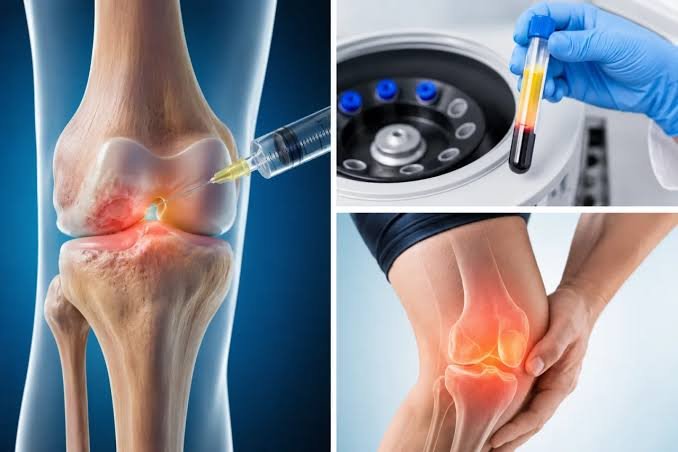
Mild to Moderate Osteoarthritis: The Sweet Spot for Stem Cell Therapy
Not all stages of knee degeneration respond equally to regenerative medicine. Identifying where your knee falls on the medical spectrum is vital to predicting treatment success:
Grade One and Two Osteoarthritis (Early Degeneration): Patients experiencing early-stage wear and tear, minor cartilage thinning, intermittent joint stiffness, and mild activity-related pain are exceptional candidates. In these cases, stem cell therapy can halt disease progression, repair minor fissures, and restore full joint comfort.
Grade Three Osteoarthritis (Moderate Degeneration): Patients with moderate joint space narrowing, persistent swelling, and daily discomfort find profound relief. Regenerative injections reduce inflammation, calm the synovial lining, and regenerate functional tissue, often delaying the need for knee replacement surgery by years or even decades.
When Is Stem Cell Therapy Unrealistic? Understanding the Limitations
Transparency is the cornerstone of ethical medical tourism. Regenerative medicine is revolutionary, but it is not a magical cure-all for every knee condition:
Bone-on-Bone End-Stage Osteoarthritis (Grade Four): If diagnostic imaging reveals complete destruction of the cartilage matrix, severe osteophytes (bone spurs), and total bone-on-bone friction where the joint space is entirely erased, stem cell therapy alone will not magically regrow an entire missing joint.
The Appropriate Alternative: In cases of severe end-stage joint destruction, structural mechanical realignment or a total knee arthroplasty (replacement surgery) remains the gold standard of care. Ethical orthopedic specialists in Turkey will review your MRI scans prior to travel and advise you honestly if surgery is the safer, more appropriate choice.
Tabular Comparison: Regenerative Stem Cell Therapy vs. Traditional Interventions
To evaluate how orthobiologic treatments compare against traditional knee management options, review the structured table below:
| Evaluation Parameter | Stem Cell / Orthobiologic Therapy | Corticosteroid Injections | Total Knee Replacement Surgery |
| Primary Mechanism | Biological regeneration, anti-inflammatory cytokine release, and tissue healing. | Temporary artificial suppression of local inflammation and pain signals. | Surgical removal of damaged joint surfaces and replacement with metal/plastic implants. |
| Impact on Joint Longevity | Protects, heals, and preserves native joint architecture over time. | Repeated use can weaken cartilage and damage surrounding tissue. | Permanent artificial reconstruction with a finite mechanical lifespan. |
| Invasiveness & Recovery | Minimally invasive outpatient procedure; immediate return to light activity. | Simple outpatient needle injection; quick recovery from the puncture site. | Major orthopedic surgery requiring intensive physical therapy and months of recovery. |
| Ideal Clinical Stage | Mild to moderate osteoarthritis, meniscus tears, and sports injuries. | Short-term pain management for acute inflammatory flare-ups. | End-stage, bone-on-bone severe osteoarthritis with debilitating pain. |

Other Indications: Meniscus Tears, Ligament Damage, and Sports Injuries
While osteoarthritis is the most common reason patients seek knee therapy, stem cells are exceptionally effective for specific structural injuries:
Partial Meniscus Tears: The meniscus is notoriously slow to heal due to poor blood supply in its inner zones. Concentrated stem cells injected directly into the tear stimulate vascular ingrowth and tissue repair, helping athletes and active individuals avoid arthroscopic meniscectomy.
Ligament and Tendon Strains: Chronic tendinopathies of the patellar tendon (jumper’s knee) or partial tears of the collateral ligaments respond remarkably well to orthobiologic growth factors, accelerating recovery and restoring tensile strength.
Why International Patients Choose Turkey for Orthopedic Regeneration
When seeking advanced biological therapies, patients from Europe, the UK, and North America increasingly choose Turkey for several undeniable clinical advantages:
World-Class Orthopedic Specialists: Leading hospitals in Istanbul and Antalya feature renowned orthopedic surgeons and regenerative medicine specialists who utilize state-of-the-art laboratory separation techniques to maximize cell viability and concentration.
All-Inclusive Medical Tourism Value: Comprehensive packages cover your clinical treatments, hospital evaluations, luxury 5-star hotel accommodations, VIP private airport transfers, and personal medical hosts, delivering exceptional care at a fraction of Western costs.
What to Expect During Your Treatment Journey in Turkey
Undergoing stem cell therapy abroad is organized to be streamlined, transparent, and medically rigorous:
Comprehensive Remote Evaluation: You share your recent MRI scans and medical history with the clinic’s orthopedic team for a formal candidacy review before booking travel.
The Procedure & Quick Discharge: Upon arrival, the harvest and injection process is completed in a single outpatient session under local anesthesia. Patients are typically cleared to fly home within 48 to 72 hours, experiencing progressive pain relief over the ensuing weeks as biological healing takes effect.
Domande Frequenti (FAQ) / Frequently Asked Questions
1. Is stem cell therapy for knees painful?
The harvest and injection procedures are performed under local anesthesia or mild sedation, ensuring you feel no sharp pain during the session. Mild soreness at the harvest site or temporary joint fullness may occur for a couple of days post-procedure.
2. How long do the results of knee stem cell therapy last?
For realistic candidates with mild to moderate osteoarthritis, pain relief and improved joint function can last anywhere from several years to a permanent halt in joint degeneration, depending on lifestyle, weight management, and activity levels.
3. Are stem cells harvested from my own body safe?
Yes. Using autologous stem cells (harvested from your own fat tissue or bone marrow) eliminates any risk of allergic reactions, immune rejection, or disease transmission, making it an exceptionally safe medical procedure.
4. How long must I stay in Turkey for knee stem cell treatment?
The recommended medical stay in Turkey is brief—typically 4 to 5 days. This allows adequate time for your initial clinical consultation, laboratory processing, treatment administration, and a post-injection checkup before flying home.
5. Can stem cell therapy help if I have already had knee surgery?
Yes. Many patients choose regenerative therapy to address lingering chronic pain or stiffness following previous failed arthroscopic surgeries or meniscus repairs, helping to revitalize the joint environment.
6. How do I know if I am a candidate before traveling to Turkey?
The safest and easiest way is to send your recent knee MRI reports and X-rays to an accredited medical center in Turkey for a free online evaluation by an orthopedic specialist.

Stem Cell Therapy in Turkey for Knee Pain: Who Is a Realistic Candidate?
Stem cell therapy for knee pain in Turkey is attracting attention among people looking for alternatives to conventional treatments for joint problems. It is often discussed in relation to osteoarthritis, cartilage damage, and persistent knee discomfort. However, it is important to understand that regenerative treatments are still being studied, and stem cell therapy has not been proven to reliably regenerate knee cartilage or cure arthritis.
A realistic candidate needs an individual assessment based on the cause and severity of the pain, imaging results, mobility, medical history, and previous treatments. People with early-stage joint problems may have different treatment options from those with advanced osteoarthritis or extensive cartilage loss. A specialist should explain the available evidence, potential risks, costs, and established alternatives before any procedure is considered. The U.S. Food and Drug Administration’s information on regenerative medicine therapies is a useful resource for understanding the limitations and safety concerns surrounding these treatments.
At Cayra Clinic, you can request information about treatment options in Turkey and the assessment process for your individual needs.
Considering regenerative treatment for knee pain? Contact Cayra Clinic to discuss your symptoms, learn what options may be available, and understand the importance of a specialist medical evaluation.
