
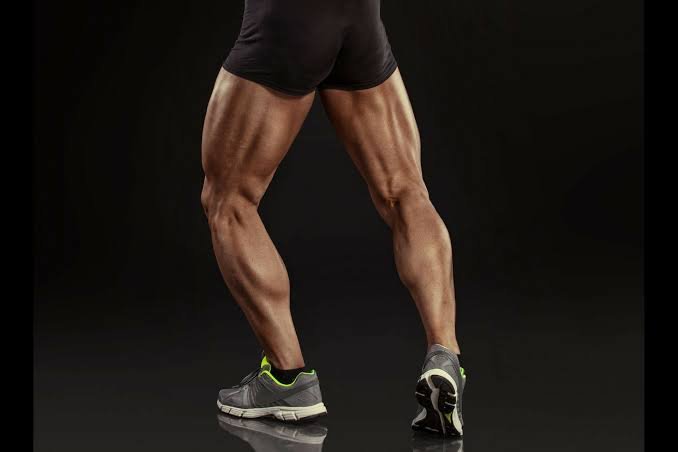
When individuals think of body contouring and cosmetic enhancement, procedures like liposuction, tummy tucks, and breast augmentations often dominate the conversation. However, achieving a balanced, proportional physique extends all the way down to the lower extremities. For many men and women, genetics, slender bone structures, or congenital conditions can make it exceptionally difficult to build muscle mass in the lower legs, regardless of how many hours are spent performing heavy calf raises at the gym.
This is where calf augmentation via implants steps in as a transformative surgical solution. By utilizing soft, durable solid silicone implants, plastic surgeons can restore symmetry, add robust definition, and create harmonious proportions between the upper and lower legs. But is the procedure right for you? Let’s walk through a comprehensive eligibility checklist and explore everything you need to know about calf implants.
Understanding Calf Augmentation: What the Procedure Achieves
Before assessing candidacy, it is important to understand what calf implants can and cannot accomplish. Calf augmentation is a specialized cosmetic procedure designed to reshape and enlarge the lower leg using customized silicone implants.
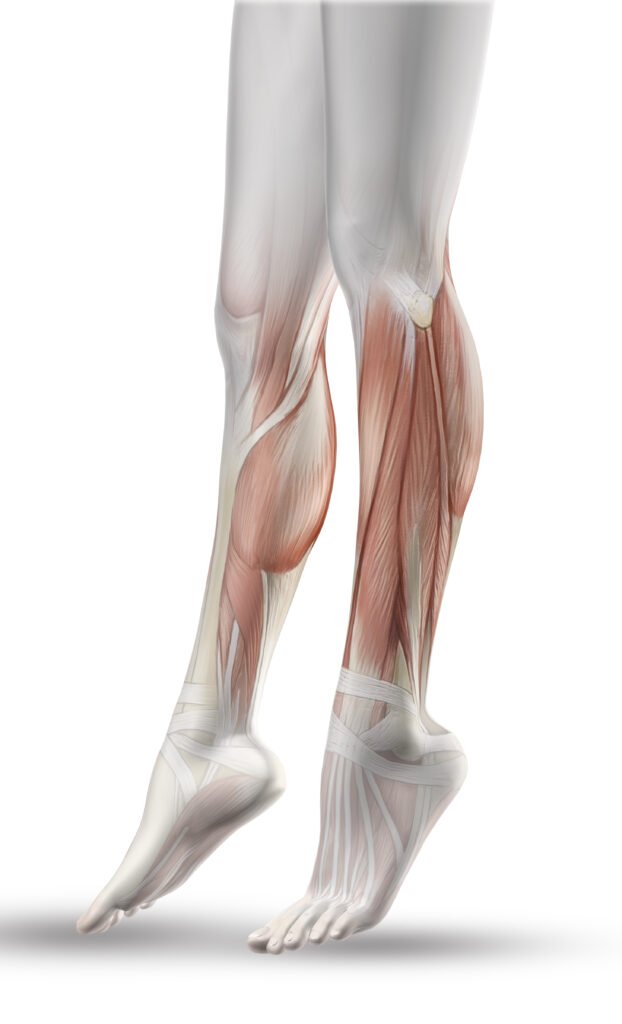
Anatomical Enhancement: The procedure targets the gastrocnemius muscles located at the back of the lower leg. Implants can be placed medially (inside of the calf) or bilaterally to correct asymmetry, rebuild muscle mass lost due to injury or nerve conditions (such as clubfoot or polio), or simply satisfy aesthetic desires for athletic, well-toned lower legs.
Permanent Definition: Unlike temporary fillers or fat grafting—which can be reabsorbed by the body—solid silicone implants offer a permanent structural enhancement that looks and feels remarkably natural.
The Eligibility Checklist: Are You a Good Candidate for Calf Implants?
Determining whether you are an ideal candidate for calf augmentation involves a careful evaluation of your physical health, anatomical structure, and personal expectations. Review the essential criteria below:
Persistent Slender Calves Despite Exercise: You have dedicated months or years to targeted lower-body weight training, yet your calves fail to hypertrophy or show noticeable muscle definition due to genetic predisposition.
Desire to Correct Asymmetry: You suffer from noticeable lower leg asymmetry resulting from congenital anomalies, past injuries, or neurological conditions affecting muscle development.
Realistic Expectations: You understand that calf implants enhance shape, volume, and contour, but they are not a substitute for overall athletic fitness or weight loss.
Good General Health: You do not have active infections, severe vascular disorders of the lower limbs, or uncontrolled medical conditions that could impair surgical healing and anesthesia safety.
Non-Smoker: You are willing to quit smoking or using nicotine products well before and after surgery, as nicotine drastically restricts blood flow and compromises wound healing in the lower extremities.
Calf Implants vs. Alternative Enhancement Methods
To evaluate how calf implants compare to other non-surgical and surgical methods of lower leg enhancement, review the structured comparison table below:
The Surgical Technique: How Calf Implants Are Placed
Understanding the surgical mechanics helps demystify the procedure and prepares you for what happens inside the operating room:
Incision Placement: The plastic surgeon makes a discreet 5-to-7 cm incision hidden naturally within the crease behind the knee (the popliteal crease). This ensures that once healed, resulting scars are virtually invisible to casual observers.
Pocket Dissection: The surgeon creates a precise surgical pocket either subfascial (directly beneath the tough connective tissue covering the muscle) or intramuscular, depending on your specific anatomy and aesthetic goals.
Implant Insertion: A customized, soft, solid silicone implant is carefully slipped into position over the medial or lateral head of the gastrocnemius muscle. The incision is then closed meticulously in layers, and supportive compression garments are applied.
Recovery Timeline and Rehabilitation Expectations
Because calf implants are placed in an area subject to constant movement and gravity, following a structured recovery protocol is vital for a smooth healing process:
The First 72 Hours: Expect tightness, swelling, and restricted mobility in your lower legs. Walking will feel stiff. You must keep your legs elevated as much as possible to minimize swelling and take prescribed medications for pain management.
Weeks 1 to 2: Stitches or dissolvable sutures are monitored, and compression stockings must be worn continuously. Most patients can return to light desk work or remote tasks after 7 to 10 days, though unassisted walking becomes comfortable around week two.
Weeks 4 to 6 and Beyond: Gentle walking is encouraged to promote circulation. High-impact exercises, running, heavy leg lifting, and strenuous gym workouts must be strictly avoided for at least 6 to 8 weeks until your plastic surgeon grants full clearance.
Why International Patients Choose Turkey for Body Contouring
When considering elective cosmetic procedures like calf augmentation, patients increasingly look toward international medical tourism hubs that combine elite surgical expertise with exceptional value. Turkey has risen to become the global epicenter for plastic surgery.
Accredited medical centers in cities like Istanbul feature board-certified plastic surgeons specializing in advanced body contouring, state-of-the-art JCI-accredited hospitals, and comprehensive all-inclusive packages. These packages seamlessly cover everything—from your surgical procedure and hospital stay to luxury 5-star hotel accommodations, VIP private airport transfers, and dedicated English-speaking medical hosts—ensuring a safe, luxurious, and stress-free journey.
Making Your Final Decision: The Importance of Expert Consultation
While an eligibility checklist provides a helpful starting point, it can never replace a formal, personalized medical assessment. Every human body possesses unique anatomy, skin elasticity, and muscular structure.
During your virtual or in-person consultation with a qualified plastic surgeon, you will discuss your medical history, review high-resolution photographs, and evaluate different implant sizes and profiles. This collaborative dialogue ensures your surgical plan is tailored precisely to your anatomy, guaranteeing balanced, stunning proportions that boost your self-confidence.
Domande Frequenti (FAQ) / Frequently Asked Questions
1. Will calf implants interfere with my ability to walk or run long-term?
No. Once fully healed and integrated into the lower leg tissues, calf implants do not interfere with normal walking, running, or athletic activities. The implants rest securely beneath the muscle fascia, allowing your natural muscle contractions to function without hindrance.
2. Are calf implants noticeable to the touch?
High-quality solid silicone calf implants are designed to mimic the firm, natural consistency of trained muscle tissue. Once healed, they blend seamlessly with your natural anatomy, making them feel and look authentic.
3. Can I combine calf implants with other plastic surgery procedures?
Yes! Many patients choose to combine calf augmentation with other body contouring procedures—such as liposuction, lipedema treatments, or body lifts—during the same medical trip, optimizing their surgical downtime and recovery period.
4. How visible are the scars after calf augmentation?
Plastic surgeons make incisions directly within the natural skin creases behind the knee (popliteal crease). As these fine incisions mature over 3 to 6 months, they fade significantly and are remarkably difficult to spot.
5. What is the difference between subfascial and intramuscular placement?
Subfascial placement positions the implant underneath the tough outer fascia covering the calf muscle, offering a slightly softer feel and faster initial recovery. Intramuscular placement embeds the implant directly inside the muscle fibers, providing maximum stability and natural movement for active athletes.
6. How do I start planning my calf implant procedure in Turkey?
Getting started is simple. Reach out to an accredited clinic with photos of your lower legs, share your medical history, and schedule your free online video consultation with an expert plastic surgeon to receive a customized treatment plan.
Calf Implants: Are You a Good Candidate? Check Your Eligibility
Do you want to improve the shape, definition or symmetry of your lower legs? Calf implants are a cosmetic surgery option designed to enhance calf volume when exercise alone does not achieve the desired appearance. Suitability depends on your anatomy, health, expectations and individual goals.
Good candidates are generally in good overall health, have realistic expectations and understand the potential risks, recovery time and possibility of complications. A consultation with a qualified plastic surgeon is essential to assess your leg structure and determine whether calf implants are appropriate. Learn more about cosmetic surgery considerations from the American Society of Plastic Surgeons.
At Cayra Clinic, you can explore aesthetic treatments in Turkey and request information about treatment options tailored to your needs. You can also discover our services for hair transplantation and dental treatments.
Thinking about calf implants in Turkey? Contact Cayra Clinic to learn more about the consultation process and take the first step towards understanding your options.
